
When summer temperatures soar, staying cool becomes more than just a matter of comfort. Hot weather can affect sleep, concentration, energy levels, and overall well-being, while prolonged exposure to heat can increase the risk of dehydration and heat-related illnesses. Whether you’re working from home, spending time outdoors, or simply trying to stay comfortable during a heatwave, a few simple adjustments can make a significant difference. These practical tips can help you stay cool, comfortable, and safe throughout the summer months.

Ten Helpful Tips To Help You Stay Cool This Summer
- Staying ahead of dehydration before you feel thirsty: Many people only reach for a drink when they feel thirsty, but thirst is often an early sign that the body is already dehydrated. Keeping a water bottle nearby and taking regular sips throughout the day can help maintain hydration, support energy, and improve your body’s ability to cope with rising temperatures.
2. Choosing light-coloured clothing whenever possible: Dark colours absorb more heat from the sun, while lighter shades reflect it. Wearing light-coloured, loose-fitting clothing can help you stay more comfortable outdoors and prevent overheating on particularly warm days.
3. Making the most of cooler morning and evening temperatures: During periods of hot weather, temperatures are often significantly lower in the early morning and late evening. Opening windows during these cooler periods can improve airflow throughout your home and help reduce indoor temperatures naturally.
4. Limiting unnecessary heat inside the home: Everyday appliances such as ovens, tumble dryers, and even some electronic devices can contribute to rising indoor temperatures. Reducing their use during the hottest parts of the day can help keep your living space cooler and more comfortable.
5. Including water-rich foods in your daily meals: Staying hydrated isn’t just about drinking water. Foods such as watermelon, cucumbers, tomatoes, oranges, and strawberries are high in water and can contribute to your overall fluid intake while providing important vitamins and minerals.
6. Creating shaded areas when spending time outdoors: Direct sunlight can make temperatures feel considerably hotter than they actually are. Using parasols, canopies, garden umbrellas, or seeking natural shade under trees can help reduce sun exposure and create a more comfortable outdoor environment.
7. Taking regular breaks from the heat: If you are spending long periods outdoors, it is important to give your body time to cool down. Taking breaks in shaded or air-conditioned areas can help prevent overheating and reduce the risk of heat exhaustion.
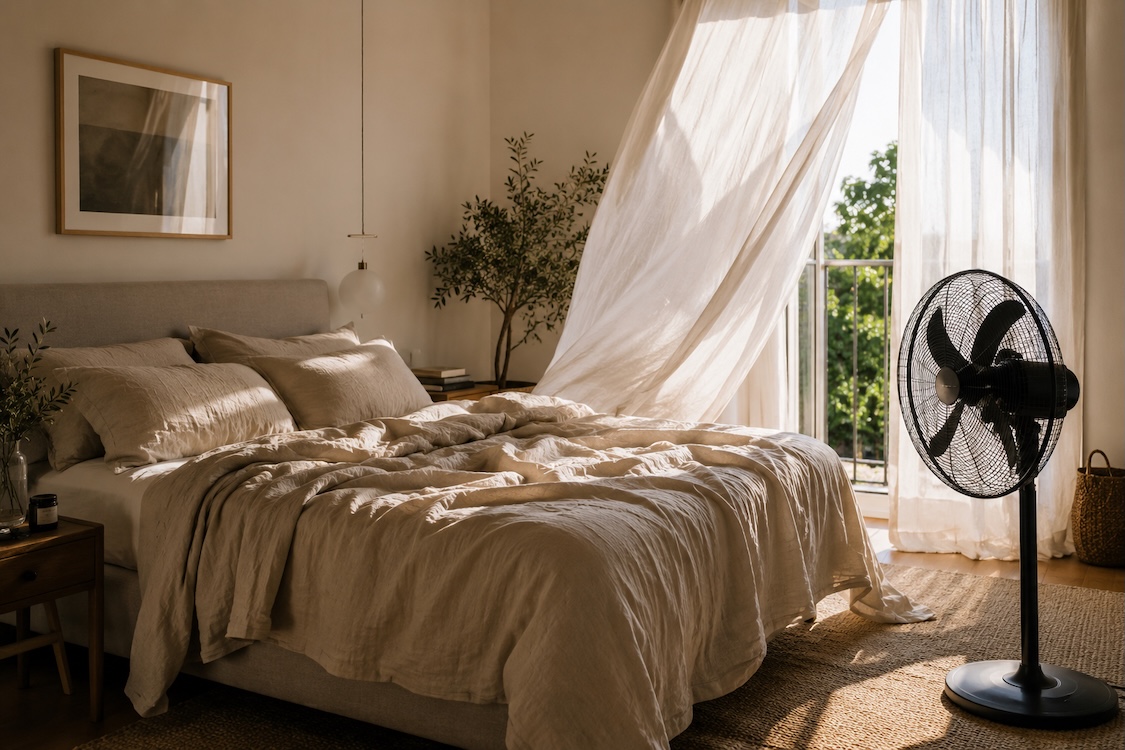
8. Keeping bedrooms as cool as possible before bedtime: Hot and humid nights can make it difficult to get a good night’s sleep. Closing curtains during the day, using fans, and allowing cooler evening air to circulate through the room before bedtime can help create a more comfortable sleeping environment.
9. Protecting your skin from prolonged sun exposure: Sunburn not only damages the skin but also makes it more difficult for your body to regulate its temperature effectively. Applying sunscreen regularly, wearing a wide-brimmed hat, and seeking shade during peak sunshine hours can help reduce the impact of the summer sun.
10. Recognising when the heat is becoming too much: Feeling dizzy, unusually tired, nauseous, or experiencing a headache can be signs that your body is struggling to cope with the heat. Paying attention to these symptoms and acting quickly by moving to a cooler place and drinking fluids can help prevent more serious heat-related conditions from developing.
Final Notes About Staying Cool In The Summer
Hot weather can be enjoyable, but it is important to take sensible precautions when temperatures rise. Small changes to your daily routine, such as staying hydrated, dressing appropriately, managing indoor temperatures, and limiting prolonged exposure to direct sunlight, can make a noticeable difference to your comfort and well-being. By planning ahead and listening to your body’s needs, you can enjoy everything summer has to offer while staying safe and comfortable throughout the season.

Frequently Asked Questions About Keeping Cool
How can I stay cool if I don’t have air conditioning?
Keeping blinds and curtains closed during the day, opening windows during cooler hours, using fans effectively, and avoiding heat-producing appliances can help reduce indoor temperatures and improve comfort.
What are the best drinks to have during hot weather?
Water remains one of the best options for staying hydrated, but milk, diluted fruit juice, and electrolyte-rich drinks can also help replace fluids lost through sweating.
Why do I feel more tired during hot weather?
Your body works harder to regulate its temperature in hot conditions, which can leave you feeling more fatigued than usual. Dehydration and poor sleep caused by warm nights can also contribute to lower energy levels.
What foods can help keep me cool during the summer?
Water-rich foods such as watermelon, cucumber, lettuce, strawberries, oranges, and tomatoes can help support hydration while providing valuable nutrients.
What are the early signs of heat exhaustion?
Common warning signs include excessive sweating, dizziness, headaches, muscle cramps, nausea, weakness, and fatigue. If these symptoms occur, it is important to move to a cooler area, rest, and drink plenty of fluids.
We like these articles: NHS How to cope in hot weather and Red Cross Top tips for keeping cool in hot weather. You might like this feature: The summer wardrobe that actually gets worn.