
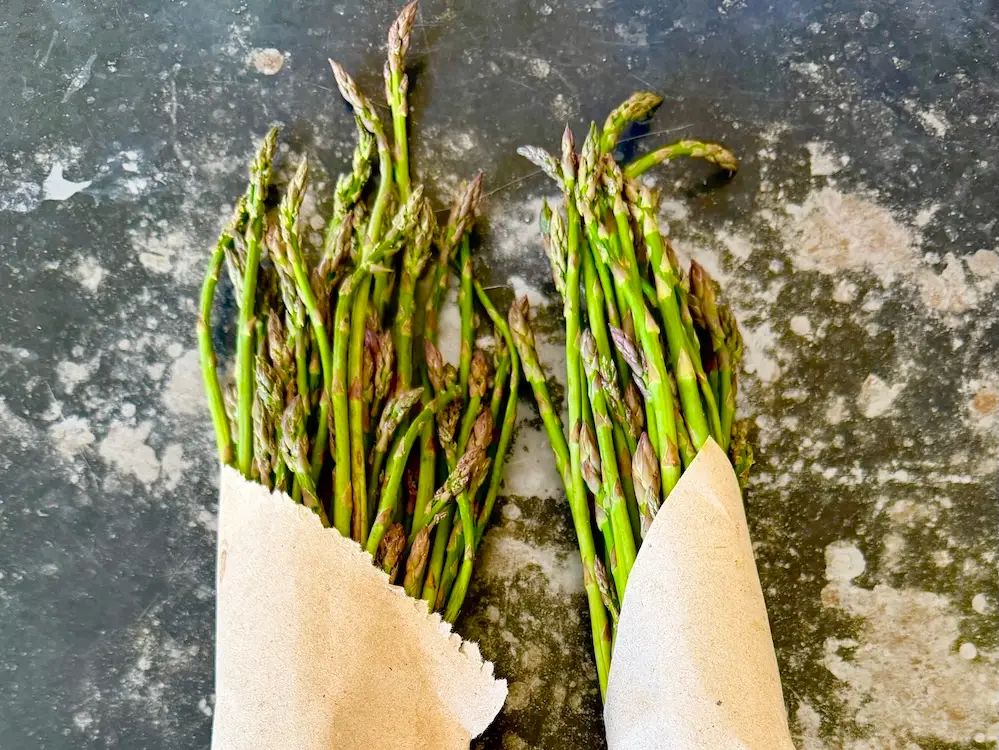
Seasonal food always feels more exciting because ingredients naturally taste better when they are eaten at the right time of year. One of the things I love most about chef-created seasonal recipes is that they understand exactly which ingredients work together naturally and how to let produce speak for itself without overcomplicating dishes. The new seasonal recipes created by Peckham Bazaar chef and owner John Gionleka with Little Olive Oil, the Albanian extra virgin olive oil brand, are a perfect example of this kind of ingredient-led cooking. These all feature fresh produce alongside the best extra virgin olive oil to elevate each dish naturally.
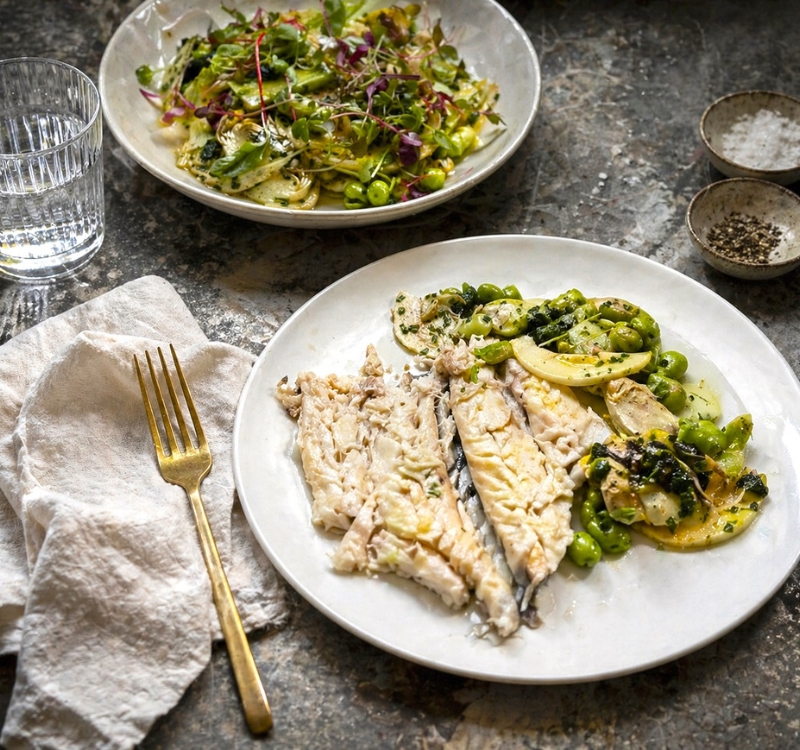
John Gionleka Recipes Featuring Seasonal Ingredients
These three spring recipes feature the very best of seasonal ingredients from wild asparagus, nettles and garlic to Jersey Royals, spiky artichokes and sea bass.

The Wild Asparagus, Nettle and Feta Pispilit Recipe feels deeply rooted in rustic countryside cooking whilst remaining fresh and vibrant. Blanched nettles and creamy feta are layered over a soft cornmeal and polenta base, while wild asparagus adds a vibrant layer of green goodness. Paired with Little Olive Oil’s Kalinjot Pure extra virgin olive oil, the peppery finish complements the earthy greens and salty cheese, adding warmth and richness to the dish.
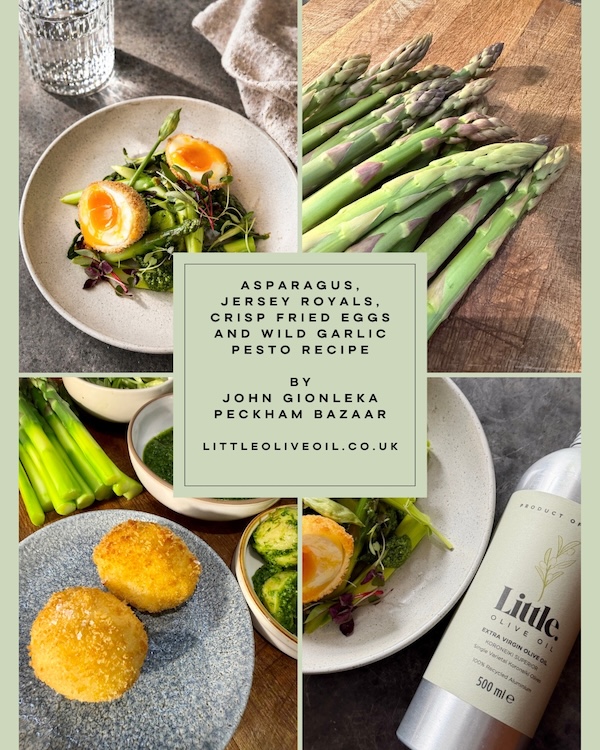
You’ll love the Asparagus, Jersey Royals, Crisp Fried Eggs, and Wild Garlic Pesto Recipe. Thick English asparagus and buttery Jersey Royals are paired with vibrant wild garlic pesto and crisp fried eggs for the ultimate in taste and texture. Little Olive Oil’s Koroneiki Superior extra virgin olive oil brings grassy, aromatic notes that naturally complement the asparagus and herbs, making the whole dish feel bright, fresh, and full of spring vibes.
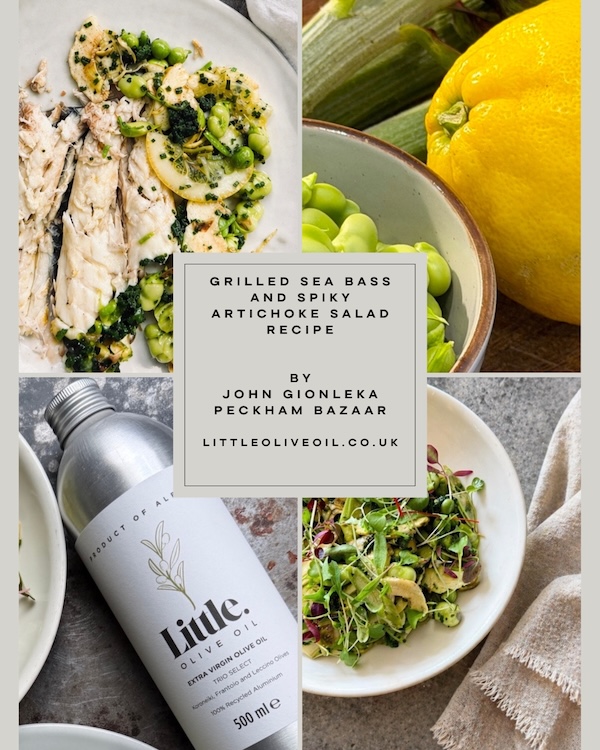
The Grilled Sea Bass and Spiky Artichoke Salad Recipe brings together delicate grilled sea bass, shaved spiky artichokes, broad beans, peas and herbs with fresh citrus flavours running throughout the dish. It feels lboth ight and elegant. The recipe is paired with Little Olive Oil’s Trio Select extra virgin olive oil, whose softer and more delicate profile works perfectly with fish, herbs and lemon without overpowering the freshness of the ingredients.
Final Notes On Seasonal Food And Seasonal Recipes
Seasonal recipes always feel more balanced because the ingredients naturally work together at certain times of year. The recipes created by John Gionleka show how simple seasonal cooking can become something special when ingredients are properly paired together. Whether it’s earthy greens balanced with peppery extra virgin olive oil or delicate fish paired with softer citrus-friendly flavours, the combinations feel natural because the ingredients are allowed to lead the dish. Choosing quality ingredients, shopping seasonally and buying products directly from smaller food brands can completely change how everyday food tastes at home.
Frequently Asked Questions About Seasonal Cooking
Why does seasonal food usually taste better?
Seasonal food is often fresher and harvested at the right time, which means ingredients naturally have more flavour, better texture and require less complicated cooking.
Why do chefs focus so much on seasonal recipes?
Chefs often create recipes around seasonal ingredients because produce tastes best when it is naturally in season, and ingredients work more naturally together. They work with their long-standing suppliers who deliver the best ingredients to their restaurants.
What are some of the best seasonal ingredients in the UK?
Asparagus, Jersey Royals, wild garlic, broad beans, peas, and artichokes are among the UK’s best seasonal ingredients, which change throughout the year and are often closely linked to specific moments and traditions. Asparagus, Jersey Royals and wild garlic are strongly associated with late spring and early summer, whilst strawberries immediately bring to mind Wimbledon season. Autumn is known for ingredients like blackberries, pumpkins and wild mushrooms, whilst winter brings root vegetables, Brussels sprouts and festive citrus. Eating seasonally usually means ingredients taste fresher, sweeter and more flavourful because they are being enjoyed at the time they naturally grow best.
Why should people cook more seasonally?
Seasonal cooking helps you enjoy ingredients when they are naturally at their best. Produce usually tastes fresher, carries more flavour and works more naturally within recipes when eaten in its proper season.
Is it better to dine at restaurants with a seasonal menu?
Yes, restaurants that prioritise seasonal-led menus tend to let the ingredients do all the work in their dishes; they are the star of the show and don’t need to be overly dressed because the flavour is there already.
You might also enjoy this article: The growing recognition of Balkan cuisine in London.
Disclosure: The author and creator of this blog is a partner in the Little Olive Oil business.