
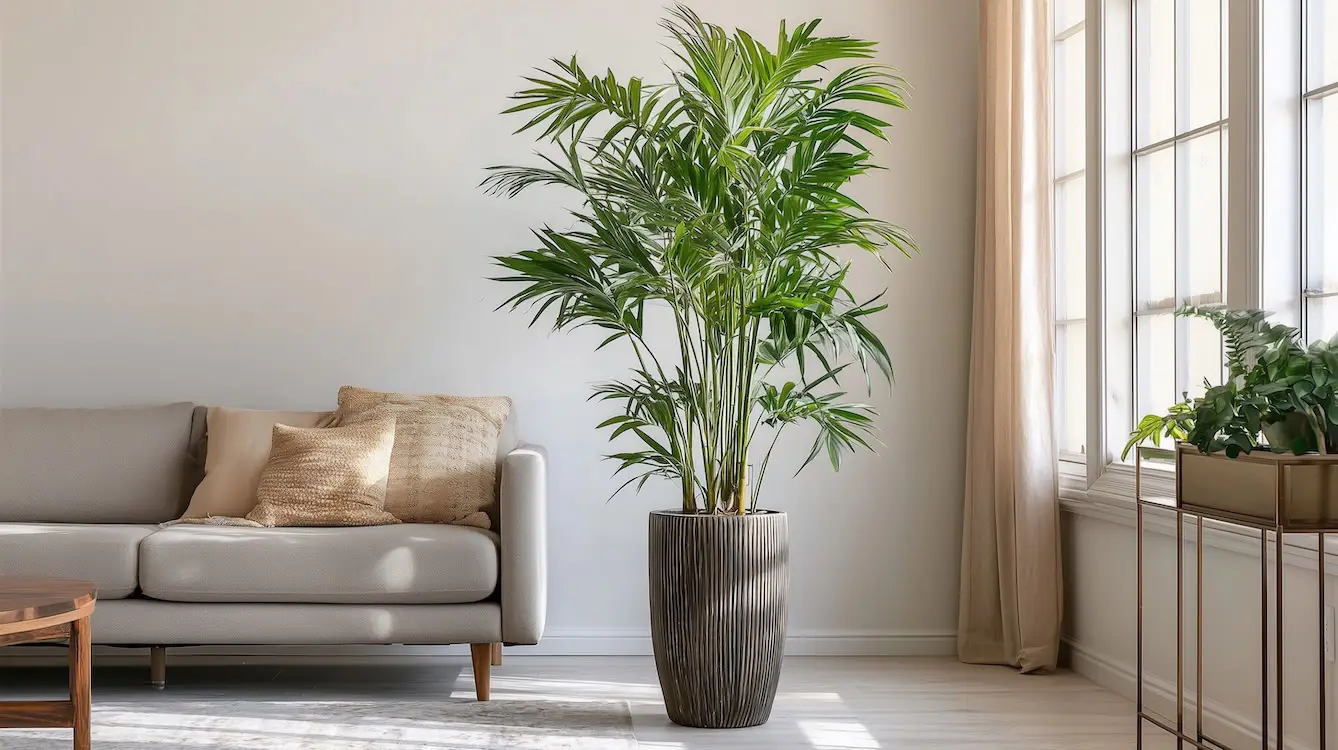
Bringing plants into your home can make a space feel lighter, calmer and more open, but if you have pets, it needs a bit more consideration. Many popular houseplants are not safe for cats and dogs, so choosing the right ones matters. The aim is not to fill your home with plants, but to use a few well-chosen options that improve how your space feels day to day without creating any risk.
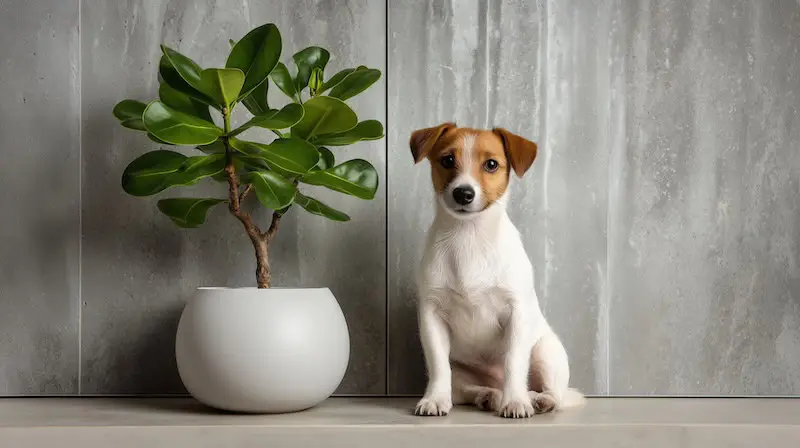
Ten Pet Friendly Houseplants
1. The areca palm is a good choice if you want to add height without making a room feel heavy. It has light, feathery leaves and can grow fairly tall over time, often reaching over a metre indoors. It prefers bright, indirect light and regular watering, but is generally easy to care for and forgiving if you miss the occasional water.
2. Calatheas are tropical plants known for their patterned leaves, often with stripes or contrasting colours. Common types include Calathea orbifolia and Calathea lancifolia. They tend to stay medium-sized and work well on floors or larger surfaces. They prefer indirect light and slightly higher humidity, which makes them better suited to bedrooms rather than very dry rooms, and they need a bit more attention than most.
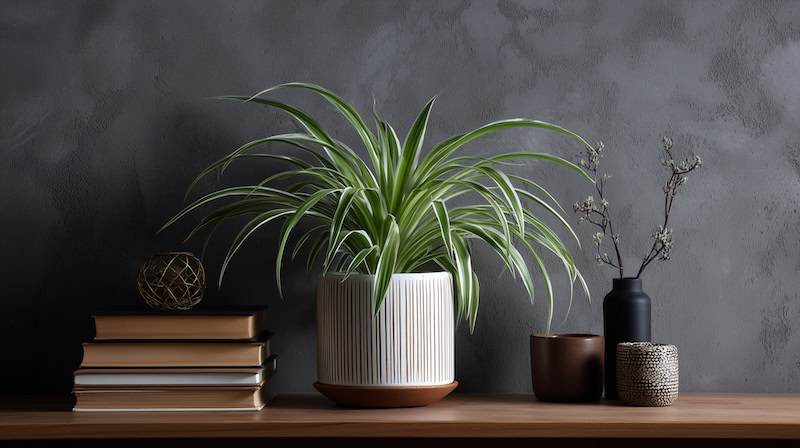
3. Spider plants are one of the easiest houseplants to keep. They have long, arching, green-and-white leaves and produce small offshoots as they grow. They stay fairly compact but spread outward, making them ideal for shelves or hanging positions. They tolerate a wide range of light conditions and only need occasional watering.
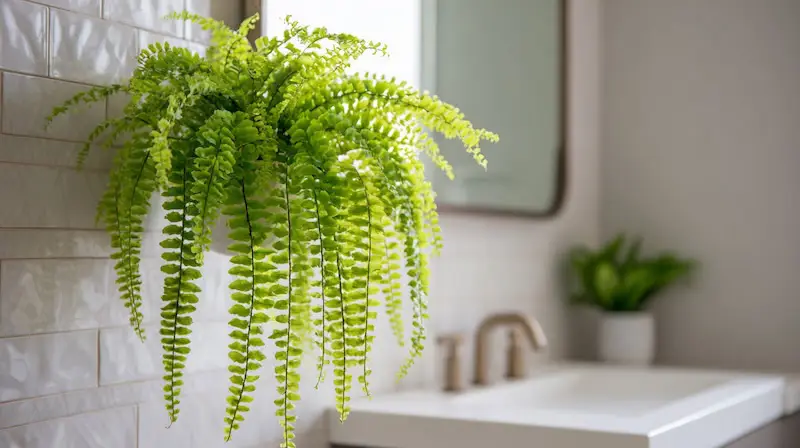
4. Boston ferns have soft, full leaves that create a more relaxed and slightly traditional look. They can grow quite large and work well in bathrooms or kitchens with higher humidity. They prefer indirect light and need more regular watering to keep their shape, so they suit someone willing to maintain them.
5. A parlor palm is a smaller, compact palm that works well in tighter spaces. It has fine, upright leaves and usually stays under a metre tall indoors. It tolerates lower light better than most plants and is easy to care for, making it a good option if your space does not get strong sunlight.
6. Bamboo palms are slightly larger and more structured than parlor palms, with multiple stems and a fuller shape. They can grow to a similar height as the areca palm over time. They prefer bright, indirect light and moderate watering, and are relatively easy to maintain once established.
7. Peperomia plants are small and compact, with thick leaves that can vary in shape and texture depending on the variety. Most stay quite compact, making them ideal for desks, shelves or windowsills. They prefer bright, indirect light and do not need frequent watering, which makes them one of the easier options.
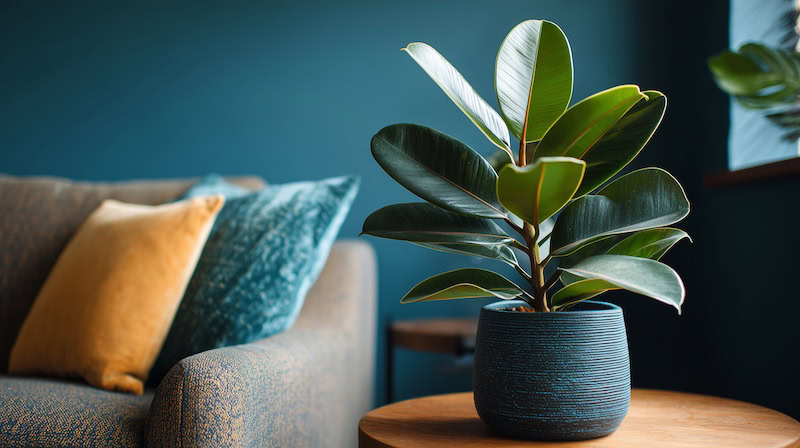
8. The baby rubber plant, also known as Peperomia obtusifolia, has smooth, glossy leaves and a clean, simple look. It stays relatively small and upright, making it easy to place in different areas of the home. It prefers bright, indirect light and is low maintenance, only needing watering when the soil dries out.
9. African violets are compact flowering plants that add colour without taking up much space. They usually stay small enough for windowsills or side tables. They prefer bright, indirect light and consistent watering, and while they need a bit of routine, they are not difficult once established.
10. Herbs such as basil, mint and thyme are practical choices that also work visually. They stay small and are best suited to bright windowsills where they get direct light. They need regular watering and occasional trimming, but in return, they become part of your daily routine rather than just something decorative.
Final Notes On Pet Friendly Houseplants
Using pet friendly houseplants is about making your home feel better without adding complications. You do not need to overfill your space or constantly manage them. A few well-placed plants can soften a room, add movement and make it feel more comfortable. It also helps to focus on the wider environment. Natural light, airflow and how you use your space will always have a bigger impact than decoration alone. Plants should support that by adding to the overall feel, rather than becoming the main focus.
Frequently Asked Questions About Pet Friendly Houseplants
How can I stop my pet from chewing or damaging my houseplants?
If your pet tends to chew plants, the most effective approach is to place them on higher surfaces such as shelves, window ledges or plant stands, where they are less accessible. You can also position plants in areas your pet does not usually spend time in. Even with pet-friendly plants, it is still a good idea to discourage chewing to avoid mess and keep both your plant and your pet in good condition.
Are pet friendly houseplants completely safe if my pet eats them?
Pet friendly houseplants are considered non-toxic to cats and dogs, which means they are unlikely to cause serious harm if ingested. However, this does not mean they should be eaten in large amounts. Consuming too much of any plant can still cause mild digestive upset, so it is best to prevent pets from eating them regularly.
Can I keep both pet-safe and non-pet-safe plants in the same home?
Yes, you can keep a mix of plants, but it requires careful placement. Any plants that are toxic to pets should always be kept well out of reach, ideally in rooms your pet cannot access. Being deliberate about where you place each plant helps reduce the risk while still allowing you to have a wider variety.
Do houseplants actually improve indoor air quality in a typical home?
In most homes, houseplants do not significantly improve air quality on their own. While they can contribute slightly in controlled environments, the effect in everyday living spaces is minimal. Good ventilation, regular airflow and opening windows will have a much greater impact. Plants are better thought of as something that improves how a space feels rather than how it functions.
Where is the best place to keep houseplants in a pet friendly home?
The best place for houseplants in a pet friendly home is somewhere with good natural light that is also out of easy reach. Shelves, window ledges and corners work well because they allow plants to grow properly while reducing the chance of them being knocked over or chewed. Choosing the right location helps balance plant health with pet safety.
We like these features: RHS: Pet-friendly garden ideas, and Pets Pyjamas: The ultimate guide to dog friendly plants. You might also enjoy this read: Ten ways to elevate your everyday space to feel special.