
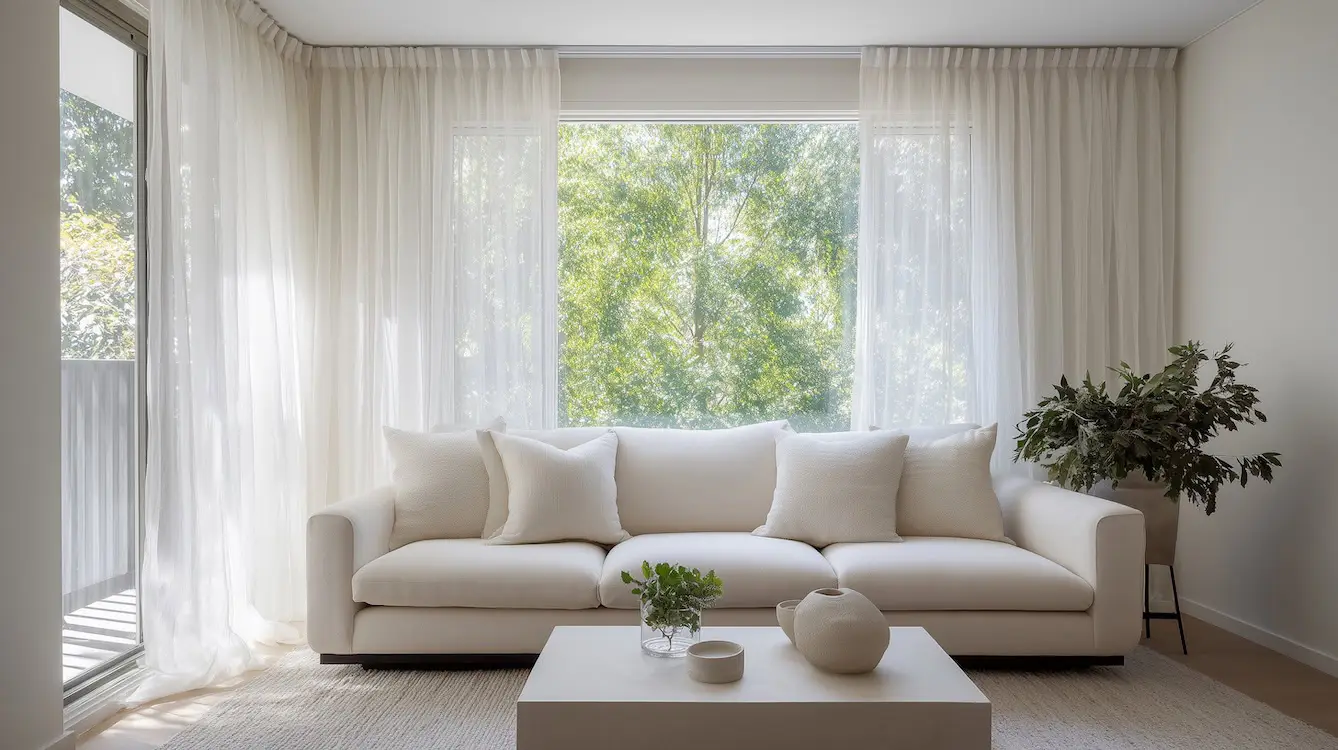
Perhaps you’ve heard of soft minimalism, sometimes called warm minimalism, relaxed minimalism, or lived-in minimalism. It’s often described as a style, but it works better as a way of using your space rather than just a look. It’s not a new idea, but it’s a great one because, with a few adjustments, it can make your home feel calmer. Focusing on what you keep, how you arrange objects, and how you use each area can change the overall feel of your interior space without redesigning anything.
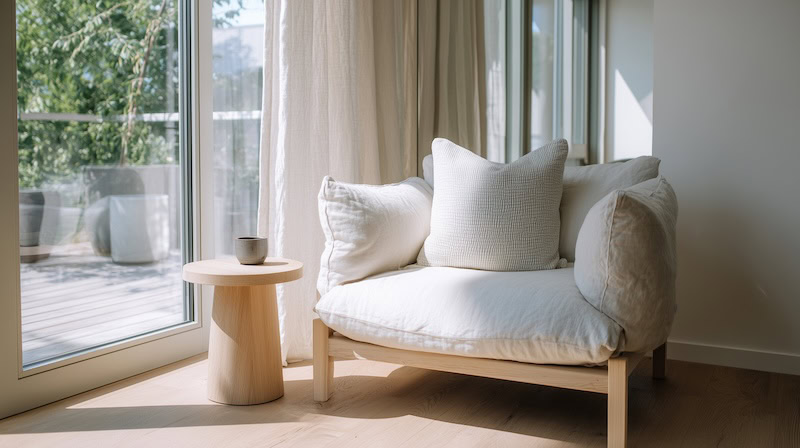
Ten Ways To Make Soft Minimalism Work In Your Home
1. Reducing what you see first when you enter a room: First impressions shape how a space feels. If the first thing you notice is clutter or too many competing items, the room can feel heavy before you even settle in. Keeping entry points and main sightlines clear helps the space feel calmer and more intentional from the moment you walk in.
2. Clearing surfaces so they are practical rather than purely decorative: Surfaces should be usable in everyday life. When tables, shelves and sideboards are less cluttered, they become easier to use for daily tasks, making the room feel more functional and less restrictive.
3. Keeping only what you actually use within easy reach: Soft minimalism is not about hiding everything away. It is about ensuring that what remains visible is useful and used regularly. This reduces unnecessary clutter while keeping the space practical.
4. Letting natural light define how the room feels throughout the day: A room with clear windows and minimal obstruction will shift naturally as the light changes. This reduces the need to rely on decoration to create atmosphere and helps the space feel more open.
5. Simplifying the layout so movement through the room feels natural: If you have to move around furniture or adjust your path, the space can feel more closed in. Keeping pathways clear and layouts simple makes the room easier to move through and use.
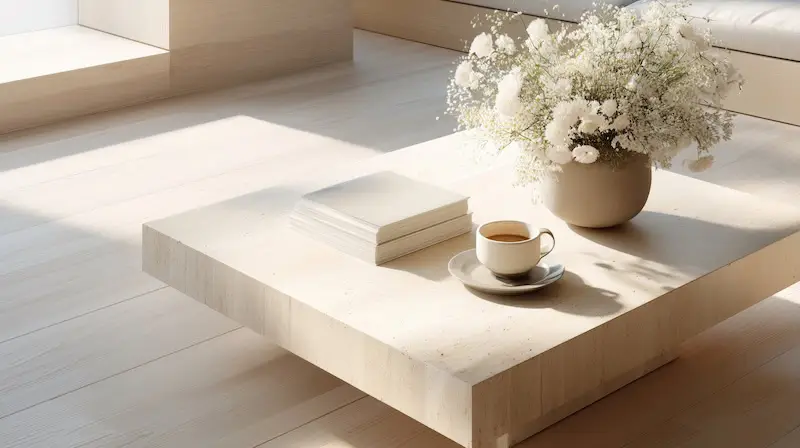
6. Choosing materials that become more comfortable over time: Materials such as linen, cotton and natural wood tend to soften with use rather than look worn out. This helps the room feel more relaxed and removes the pressure to keep everything looking perfect.
7. Avoiding strong contrasts that make the space feel rigid or overly styled: Softer colour transitions and a more consistent palette create a calmer environment, helping the room feel settled rather than visually demanding.
8. Allowing the room to feel lived in without feeling untidy: A space should feel comfortable to use, not like it needs to be preserved. Slightly relaxed touches, such as a casually placed throw or an open book, make the room easier to live in while still feeling balanced.
9. Removing items that block light, airflow or how the room functions: Anything that disrupts how the space works, whether it blocks a window or makes a surface harder to use, can make the room feel heavier. Keeping these areas clear helps maintain a lighter, more open feel.
10. Making it easy to return the room to order at the end of the day: When there are fewer items, and everything has a place, tidying becomes quicker and more manageable. This helps keep the space consistently calm with minimal effort.
Final Notes On Making Soft Minimalism Work In Everyday Living
Soft minimalism is less about achieving a specific look and more about making your home easier to use. When you reduce visual noise, simplify layouts, and allow light and materials to shape the space, the space naturally feels calmer and more balanced. Most of these changes do not require buying anything new. They are about using what you already have more deliberately, so your home supports how you live day to day.
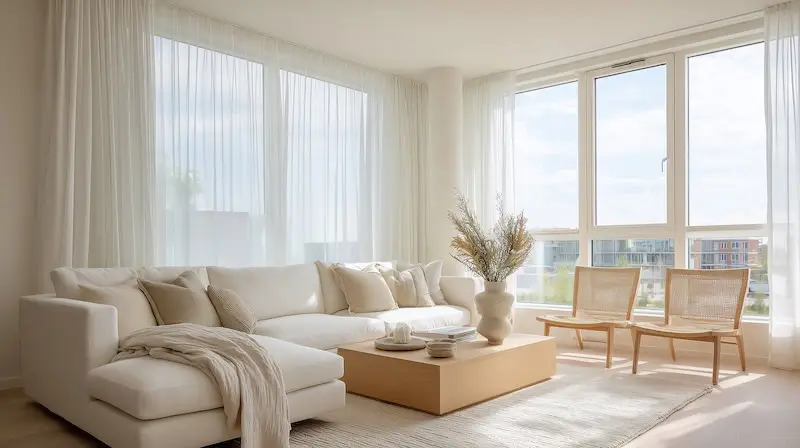
Frequently Asked Questions About Soft Minimalism
How is soft minimalism different from traditional minimalism in a home?
Traditional minimalism often focuses on reducing everything to the bare minimum, which can sometimes make a space feel stark, cold or difficult to live in. Soft minimalism retains the idea of fewer, more intentional items but introduces warmth through materials, layout and how the space is used. It allows for comfort, texture and everyday practicality, so the room feels calm and simple without feeling empty or overly controlled.
Do I need to remove most of my belongings to make soft minimalism work?
No, soft minimalism is not about getting rid of everything you own. It is about being more selective about what you keep visible and what you store away. The focus is on keeping items that are useful, used regularly, or genuinely add value to your space, while reducing anything that creates visual clutter or makes the room harder to use. This makes the space feel clearer without feeling bare.
What is the quickest way to make a room feel more in line with soft minimalism?
The quickest and most effective change is to clear surfaces and improve how light moves through the room. Removing unnecessary items from tables, shelves and windowsills immediately reduces visual noise, while opening windows and avoiding heavy coverings allows natural light to define the space. These small changes can make a room feel noticeably calmer without moving furniture or buying anything new.
Do I need to buy new furniture or décor to achieve a soft minimal look?
No, in most cases, soft minimalism works best when you use what you already have more deliberately. Instead of replacing furniture or buying new décor, focus on rearranging your layout, removing excess items, and keeping only what supports how you use the space. This approach avoids unnecessary spending and helps create a more natural, lived-in feel rather than a styled or staged look.
Will a soft minimalist space feel too plain or lack personality?
A well-balanced soft minimalist space should not feel plain or empty. By reducing the number of items in a room, the materials, light and a few key pieces become more noticeable. This often makes the space feel more considered and personal rather than less so. Personality comes through in how the room is used and the items that remain, rather than in the quantity of decoration.
Is soft minimalism practical for everyday living, or is it just a visual trend?
Soft minimalism is designed to be practical for everyday living. With fewer items, clearer surfaces and a simpler layout, the space becomes easier to clean, maintain and use on a daily basis. It reduces the effort needed to keep a room in order and allows the space to adapt more easily to different activities, making it more functional rather than just visually appealing.
We enjoyed these features: Ciat Design: Soft Minimalism and Living Etc: Soft Minimalism. You might also like this article: Conscious consumption, living with purpose and quality.