
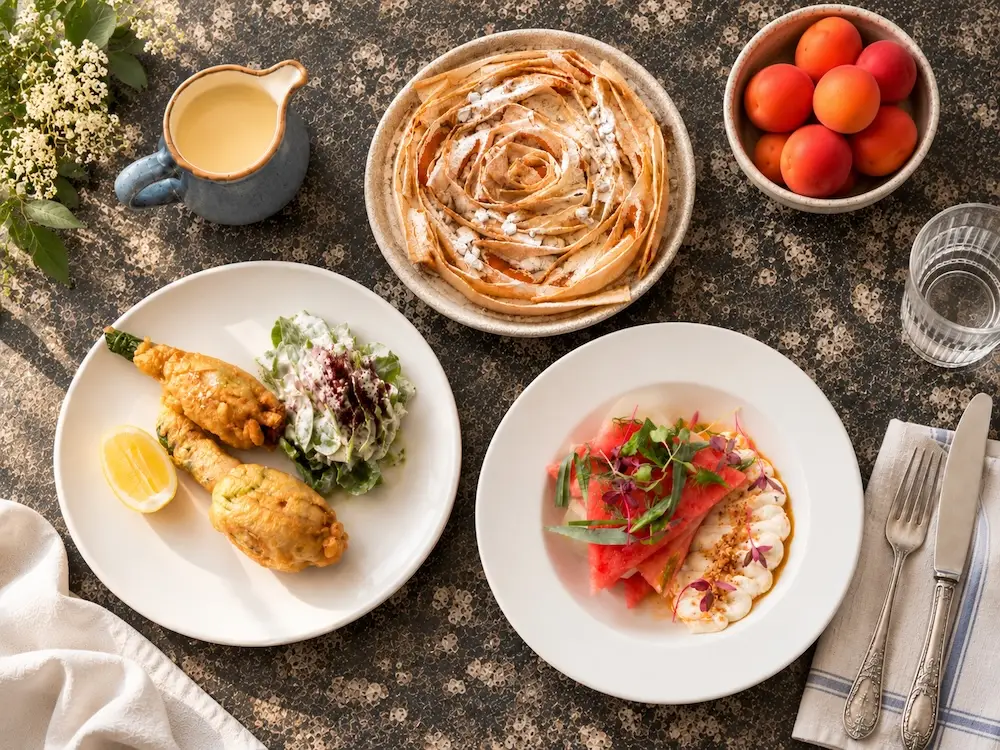
Late summer is one of the best times of year for fresh produce. There’s still plenty of colour and sunshine on the plate, but the season is beginning to shift, making it a good moment to enjoy ingredients that won’t be around for much longer. Chef John Gionleka, owner of Peckham Bazaar, has created three recipes for Little Olive Oil that make the most of watermelon, courgette flowers and ripe apricots in wonderfully different ways. From turning watermelon into a savoury dish to stuffing delicate courgette flowers and transforming apricots into a crisp filo tart, these recipes offer plenty of inspiration for cooking with late summer produce.
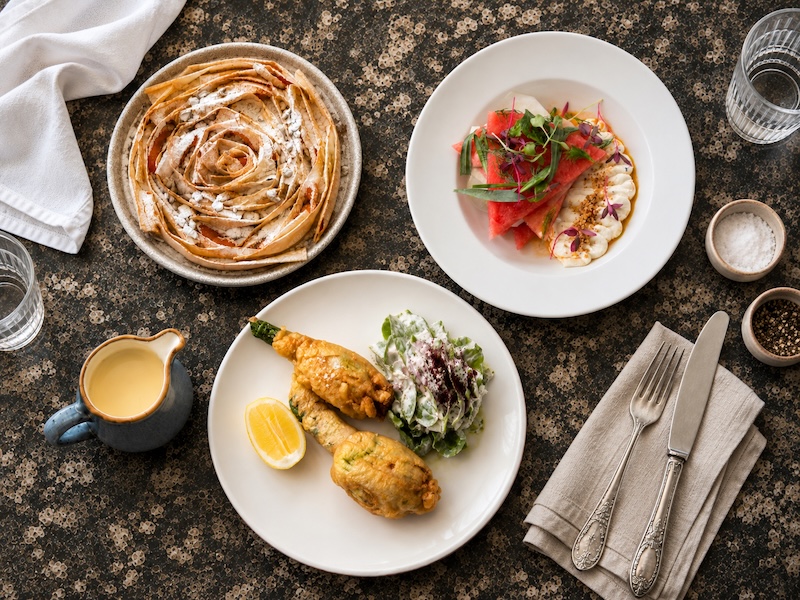
Give Watermelon A Savoury Twist
Watermelon isn’t only for fruit salads and summer drinks. John pairs it with crisp kohlrabi and creamy whipped ricotta to create a fresh savoury dish with plenty of contrasting textures. A dill and spinach green oil and watermelon vinaigrette add freshness and acidity, while toasted breadcrumbs bring a satisfying crunch. Little Olive Oil Kalinjot Pure extra virgin olive oil is used in the dressing and green oil, where its lively, peppery character works beautifully with the sweet watermelon and creamy ricotta. It’s a clever way to use watermelon while it’s still plentiful and proves just how versatile this summer fruit can be.
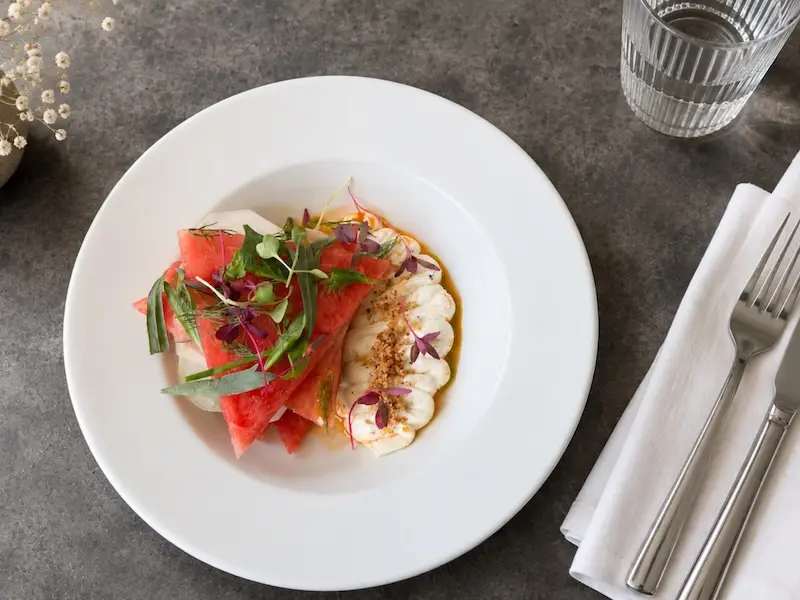
Watermelon, Kohlrabi and Whipped Ricotta with Dill and Spinach Green Oil Recipe Link
Make The Most Of Courgette Flower Season
Courgette flowers have a relatively short season, so they’re worth making the most of when you find them. John fills the delicate flowers with ricotta, Parmesan, lemon zest and thyme before coating them in a light batter and frying until crisp and golden. Serve with a cooling yoghurt tarator made with cucumber, kohlrabi, garlic, mint, and herbs, with Little Olive Oil Koroneiki Superior extra virgin olive oil adding its grassy, peppery character. The contrast between the crisp flowers, creamy filling and refreshing tarator makes this a lovely way to showcase one of late summer’s more unusual ingredients.
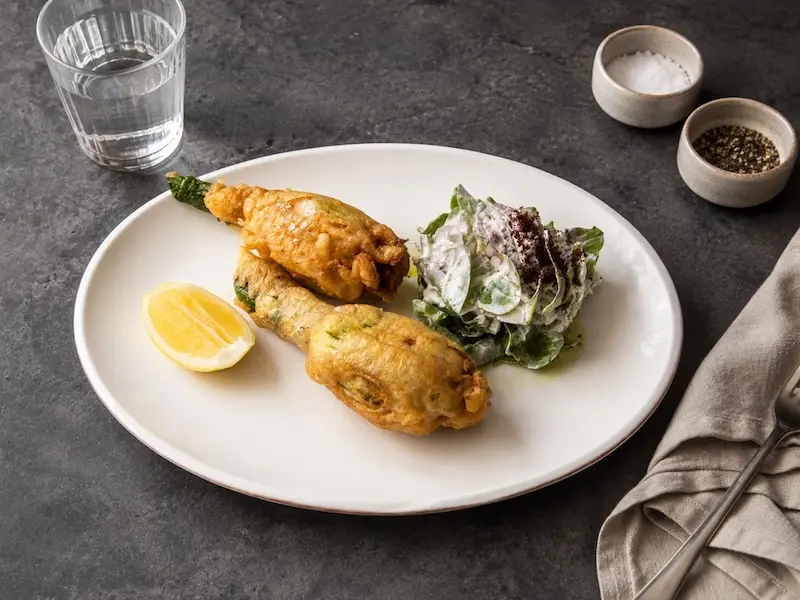
Stuffed Courgette Flowers with Tarator Recipe Link
Turn Ripe Apricots Into Something Special
When apricots are beautifully ripe, they don’t need much attention, but John’s apricot and custard filo tart makes them feel particularly special. Fresh apricots and vanilla custard are nestled among crisp, ruffled layers of filo pastry, then finished with pistachios and a dusting of icing sugar. Little Olive Oil Trio Select extra virgin olive oil is combined with melted butter and brushed over the filo to help create those delicate golden layers. Served warm with extra custard, it’s a delicious way to use late summer fruit and has just enough comfort to take you towards the cooler days ahead.
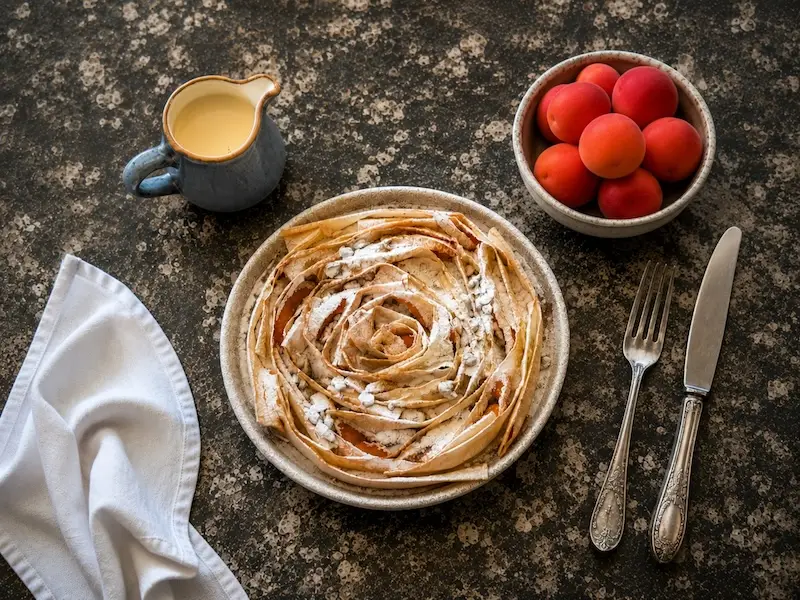
Apricot and Custard Filo Tart Recipe Link
Final Notes About Cooking With Late Summer Produce
Late summer reminds us that seasonal cooking doesn’t need to be complicated. Start with an ingredient that looks particularly good and let it guide what you make. Watermelon can become the basis of a savoury dish, courgette flowers need little more than a delicious filling, and ripe apricots are perfect for baking into a seasonal dessert. John’s recipes show how a few carefully chosen ingredients and good-quality extra virgin olive oil can make the most of produce before its season ends.
Frequently Asked Questions About Late Summer Produce
What fruit and vegetables are in season in late summer in the UK?
Late summer brings a wide variety of produce, including tomatoes, courgettes, aubergines, peppers, sweetcorn, beans, cucumbers and leafy greens, alongside fruits such as berries, plums and other stone fruits. Exact availability varies depending on growing conditions and the British weather.
When are courgette flowers in season?
Courgette flowers are generally available during the summer months while courgette plants are actively flowering. Their season can be short, and availability varies, so they’re worth buying when you see fresh flowers at a greengrocer, farmers’ market or specialist food shop.
Can watermelon be used in savoury recipes?
Yes. Watermelon works surprisingly well in savoury dishes because its sweetness and high water content pair nicely with salty cheeses, fresh herbs, crisp vegetables, acidity and peppery extra virgin olive oil. You can use it in salads, starters, and chilled dishes, as well as desserts.
How can you tell when an apricot is ripe?
Look for apricots with a rich orange or golden colour that give slightly when gently pressed. They should also have a noticeable fruity fragrance. Very firm apricots may need more time to ripen, while excessively soft or bruised fruit is best used quickly for cooking.
Why is it worth cooking with seasonal produce?
Seasonal produce is a useful starting point when deciding what to cook because it encourages variety throughout the year and allows ingredients to take centre stage when they are naturally available. It can also inspire simpler recipes where the fruit or vegetable’s flavour does much of the work.
Disclosure: The website owner is a partner in the Little Olive Oil business.
You might also like these articles from Homegirl London John Gionleka’s summer recipes for Little Olive Oil and spring recipes.