
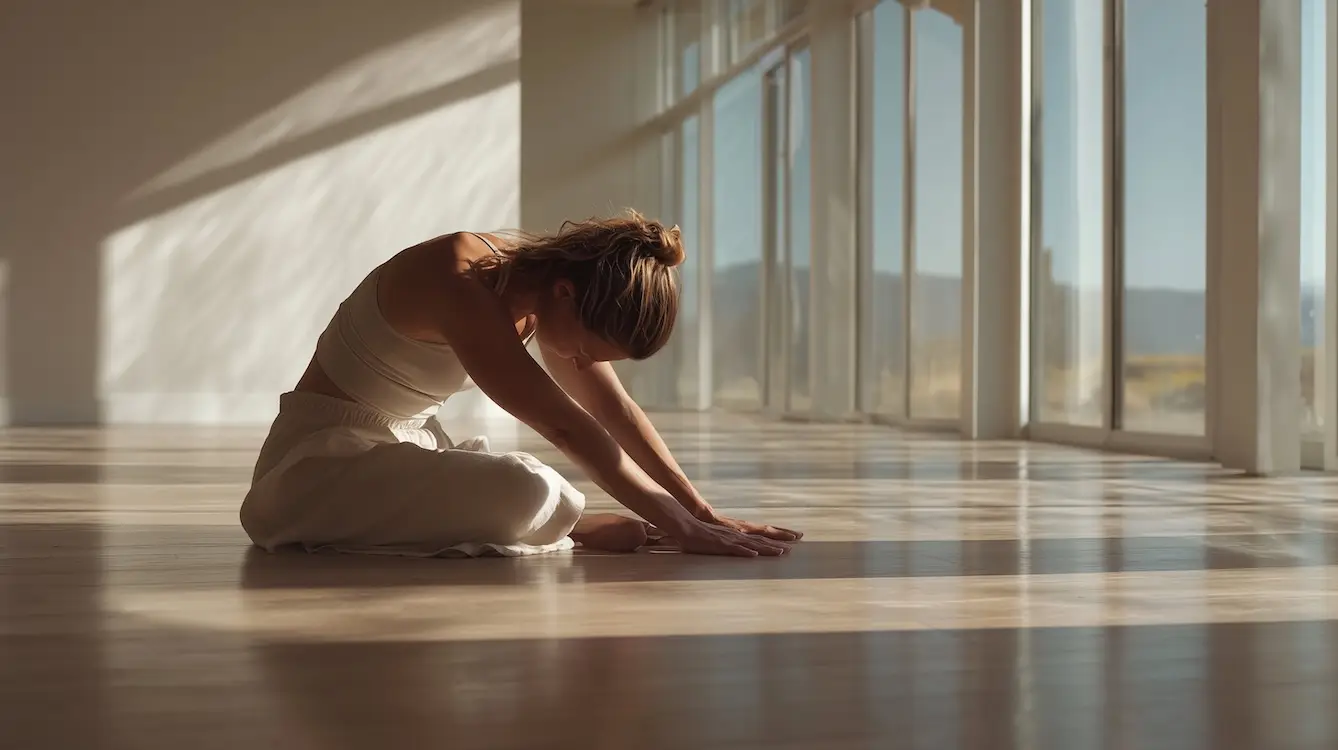
Wellness trends in 2026 reflect a clear shift away from extremes towards sustainability. After years of tracking and pressure to constantly improve, health is being reframed as calmer, more realistic, and easier to live with. Burnout, digital overload, and wellness fatigue have reshaped expectations. The focus is now on practices that support long-term wellbeing rather than short-term results.

The overarching theme in wellness trends in 2026 is maintenance rather than transformation. Instead of chasing constant improvement, wellness is increasingly about staying well enough to live fully, with habits that can be sustained through different seasons of life.
Ten Wellness Trends In 2026
1. Maintenance Mode: Health is increasingly viewed as something to maintain rather than fix. Wellness trends in 2026 emphasise regular movement, consistent sleep, balanced eating, and manageable stress, rather than dramatic changes or quick results. Success is defined by stability and continuity rather than visible transformation.
2. Soft Discipline: Routine returns without punishment. In 2026’s wellness trends, structure is flexible rather than rigid, and consistency matters more than intensity. This approach reflects a growing understanding that long-term health depends on habits that adapt to real life rather than demand perfection.
3. Calmer Systems: Stress is framed as a physiological response rather than a personal failing. Wellness trends highlight nervous system regulation through breathwork, gentle movement, recovery, and emotional awareness as essential to supporting both mental and physical health.
4. Long Health: Longevity thinking has entered the mainstream. Wellness will prioritise strength, bone density, balance, metabolic health, and cognitive resilience, encouraging people to think about health over decades rather than weeks.
5. Rest Culture: Rest is treated as essential rather than indulgent. Wellness is about sleep quality, recovery days, and intentional downtime, all of which are foundational to mental health, immune function, and long-term resilience.

6. Low Stimulation: Digital fatigue has led to a preference for quieter environments and slower routines. There’s increasing support for fewer notifications, fewer demands on attention, and less constant input to protect mental wellbeing and the nervous system.
7. Practical Strength: Fitness is reframed around daily function. In 2026, wellness trends focus on strength training that supports mobility, balance, and independence rather than performance or appearance, making exercise feel purposeful and sustainable.
8. Fearless Eating: Nutrition moves away from restriction and moral judgment. Wellness will emphasise nourishment, blood sugar stability, fibre, protein, gut health, and enjoyment, fostering a calmer, more confident relationship with food.
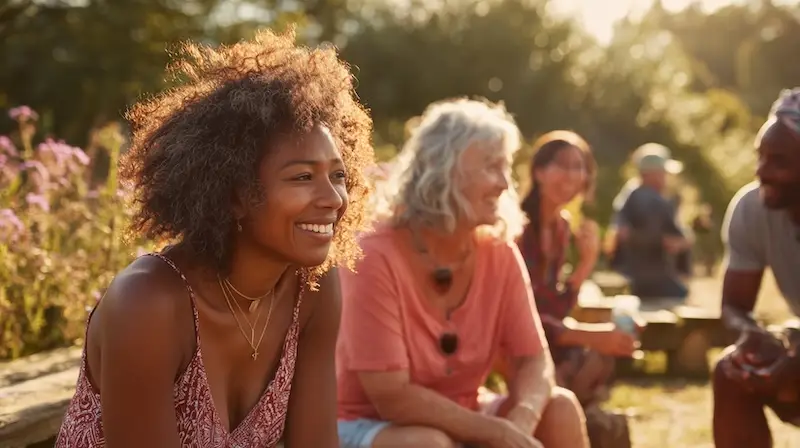
9. Social Wellness: Connection is recognised as a core health factor. In 2026, wellness is more about shared meals, group activities, and community rituals as protective of mental health and overall wellbeing.
10. Enoughness Era: Wellness culture begins to soften. One of the most defining wellness trends in 2026 is the idea that it’s possible to be healthy, fit, and well enough without constant monitoring or pressure to improve.
Final Notes On Wellness Trends In 2026
Wellness trends in 2026 reflect a more mature and sustainable approach to health. The emphasis is on habits that can be maintained long term and integrated into everyday life. Rather than pushing harder or doing more, wellness culture is learning to slow down, simplify, and support health in a way that feels human.
Frequently Asked Questions About Wellness Trends In 2026
What is the main theme of wellness trends in 2026?
The primary wellness trend in 2026 is sustainability. Health practices are increasingly focused on long-term consistency rather than extreme routines or rapid transformation, helping people avoid burnout and maintain wellbeing over time.
Why are wellness trends in 2026 becoming less intense?
Wellness trends in 2026 are becoming less intense as burnout, digital overload, and wellness fatigue have highlighted the limits of constant optimisation. Media and health experts now emphasise moderation, rest, and balance as essential to long-term health.
Is longevity really part of mainstream wellness trends in 2026?
Yes, longevity is central to wellness trends in 2026. Strength, mobility, balance, and cognitive health are now everyday priorities, not niche concerns, as people focus more on healthspan and quality of life.
Are restrictive diets still part of wellness trends in 2026?
Restrictive diets are no longer central to wellness trends in 2026. Instead, nutrition is framed around nourishment, balance, and consistency, with greater emphasis on gut health, stable blood sugar, and the enjoyment of food.
Why is social connection included in wellness trends for 2026?
Social connection is included in wellness trends in 2026 because strong relationships are linked to better mental health, lower stress, and longer life expectancy, making social wellbeing a core component of overall health.
Here are some articles we like: Harper’s Bazaar: Wellness trends 2026 and Marie Claire: Wellness trends 2026. This feature may also be of interest: Ways to start your day feeling happy.