
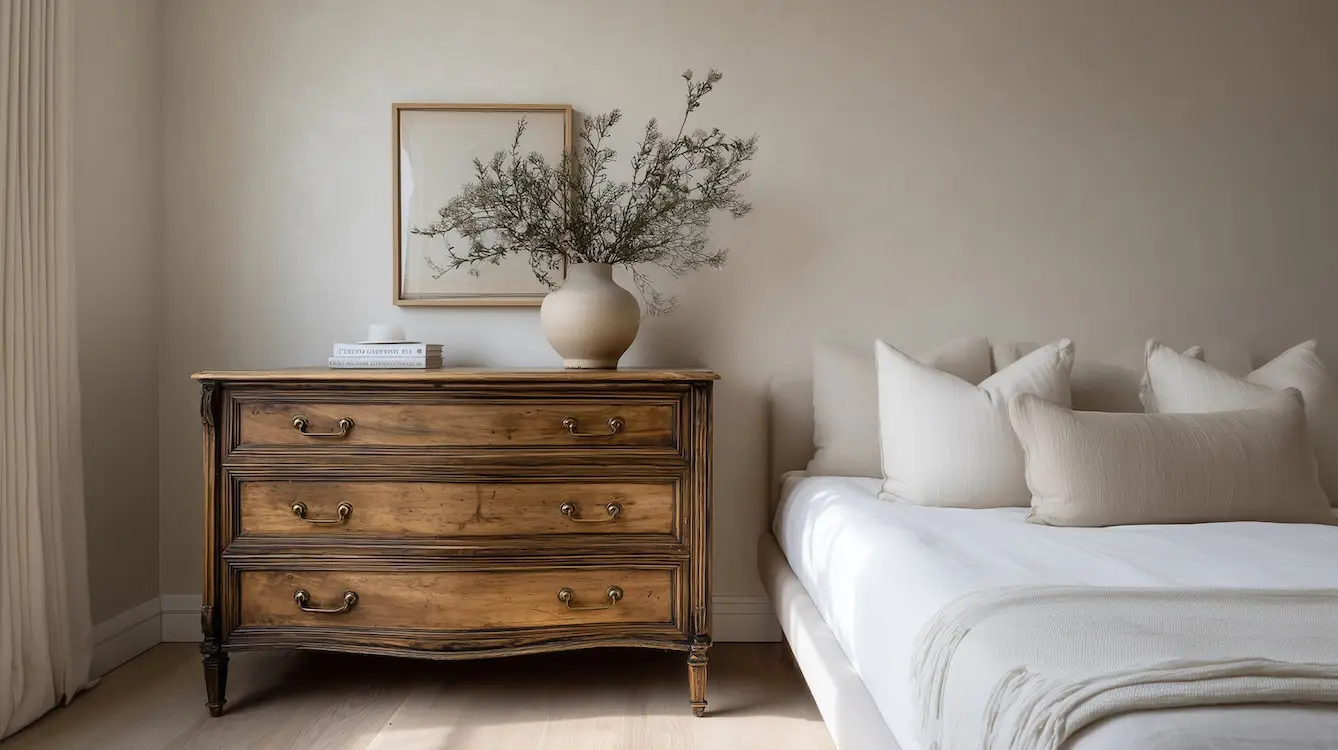
The vintage revival is back because people are tired of homes that look like they were lifted straight from a catalogue. There’s a growing appreciation for furniture pieces with history that add depth and personality when mixed with modern design. The overall effect is warmer and more individual, with rooms that feel collected over time rather than bought in one go. It’s also a style that suits real life, because vintage items bring softness, texture, and a sense of story that help a space feel genuinely lived-in.
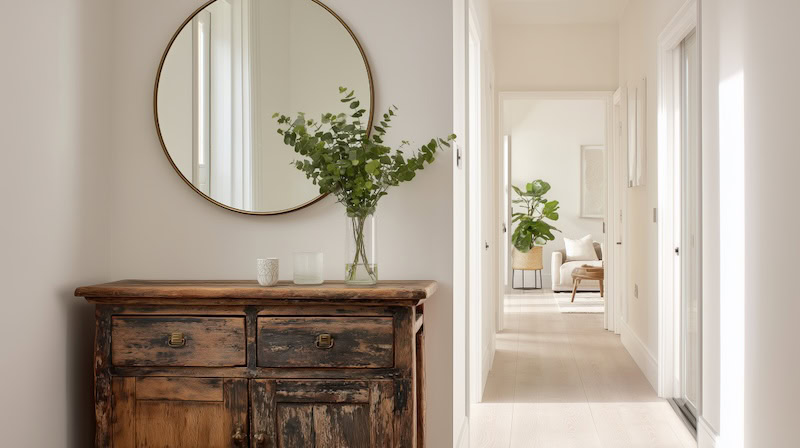
Why Vintage Revival Home Decor Adds Personality
The greatest charm of vintage revival home decor is that it instantly makes a space feel more personal and inviting. Vintage furniture and decorative objects often have a charming imperfection, whether it’s patina, worn edges, or aged wood grain. Vintage hardware adds beautiful character that modern, mass-produced furniture often lacks. When a room is filled with brand-new items, it might look sleek but can also feel impersonal. Incorporating one or two pieces with a story behind them helps break up that uniformity, creating a cosy, authentic, and welcoming atmosphere that truly feels like home.
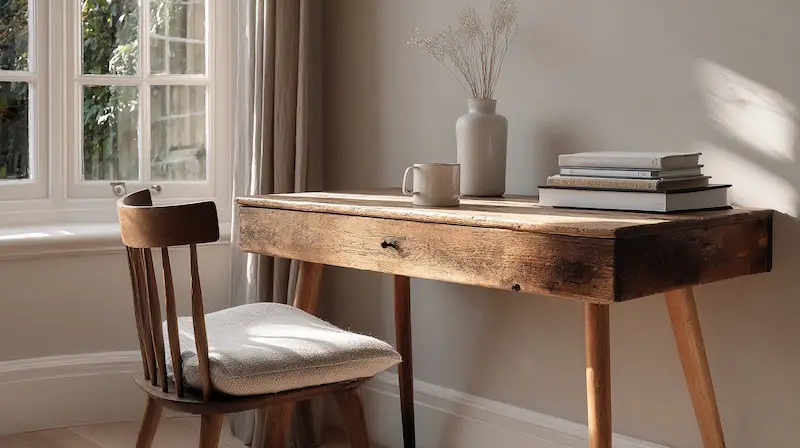
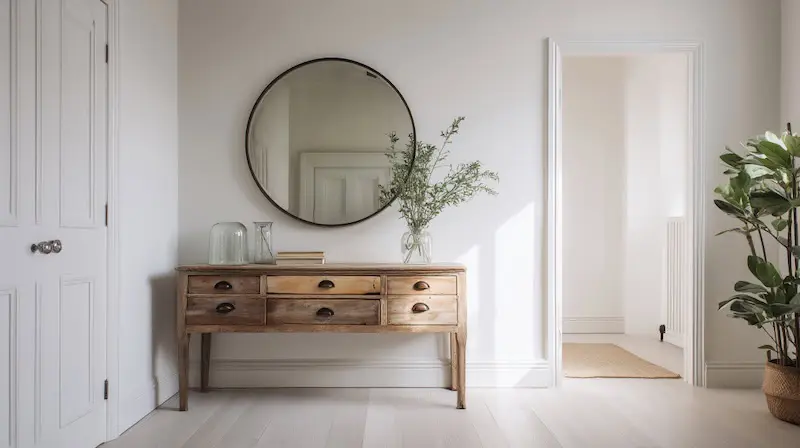
Antique wooden dressers are a great example because they are both practical and characterful. They anchor a bedroom with warmth and pair beautifully with modern bedding, simple walls and clean-lined accessories. Mid-century sideboards do the same in living rooms and dining spaces. They provide storage, act as a focal point, and their streamlined design often sits comfortably alongside contemporary sofas, art, and lighting.
How to Mix Vintage and Modern Furniture
The key to mixing vintage and modern furniture is to think in contrasts that still feel intentional. Let one standout vintage piece do the heavy lifting, then keep the supporting cast modern and simple. This prevents the room from feeling busy and ensures the vintage piece looks curated rather than random.
A good rule is that one era leads and the other supports. If your statement is a mid-century sideboard, choose modern seating and minimal decor. If your statement is a modern sofa, bring in vintage through a dresser, a lamp or a coffee table with history.
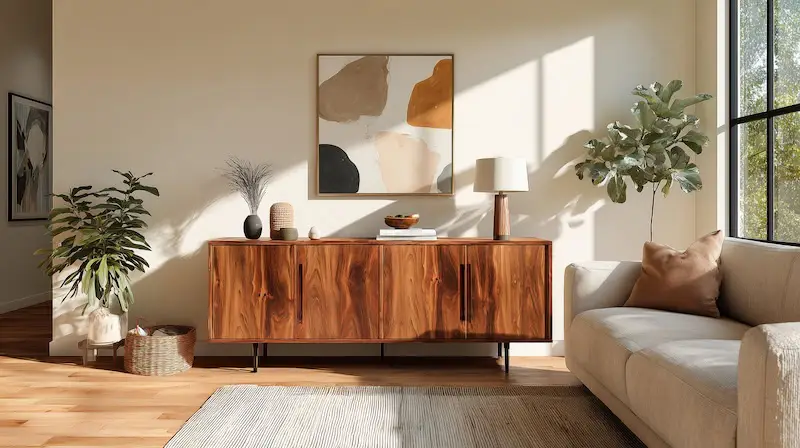
Texture is what makes this style work so well. Smooth, modern finishes look better next to aged wood, and crisp, contemporary shapes look softer when you introduce curves, detail and warm-toned materials. The result is a room that feels designed but not overly styled, comfortable, human and full of personality.
Retro Lighting and Vintage Accessories Warm Up Modern Spaces
If you want a lower-commitment way to try the vintage revival look, start with retro lighting. Lighting has a huge impact on mood, and vintage-inspired or genuine vintage fixtures often create a warmer, more flattering glow than ultra-modern options. A smoked-glass pendant, a brass floor lamp or a sculptural table light can instantly soften a modern room and make it feel more inviting.
Vintage accessories also work best when chosen with restraint. A pair of vintage candlesticks, a framed old print, or a textured ceramic vase can add that collected feel without turning shelves into clutter. When you keep the background clean, with neutral walls, modern fabrics and simple furniture, the vintage pieces look elevated and intentional.
Sustainable Vintage Shopping Benefits
Vintage revival is not just about aesthetics. It also aligns with more sustainable home decor choices. Shopping second-hand keeps well-made pieces in use, reduces waste and lowers demand for new manufacturing. Many readers appreciate that they can decorate in a way that feels thoughtful and responsible, while still creating a beautiful home.
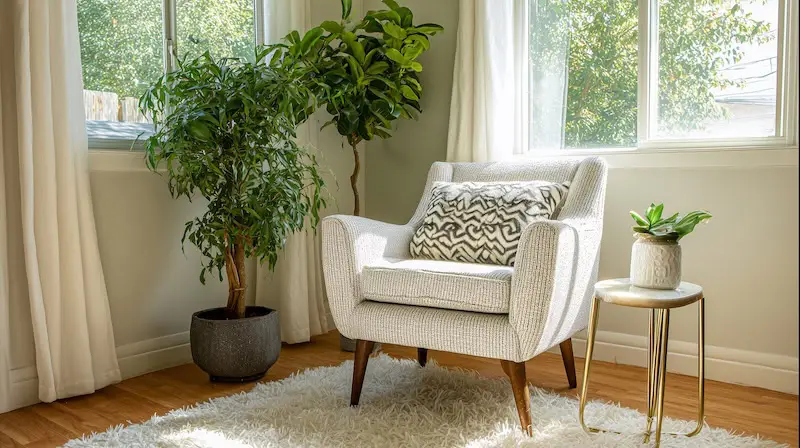
There is also a value advantage. Solid-wood dressers, well-built sideboards and quality lighting can often cost less second-hand than new equivalents of the same durability, especially when compared with lower-quality, mass-produced furniture.
The most satisfying part is uniqueness. Second-hand shopping helps you find pieces with personality, items that are not sitting in thousands of other homes. That’s what makes vintage revival feel special rather than trendy.
Final Notes On Vintage Revival Style
Vintage revival works because it brings warmth, character and individuality to modern interiors. By mixing antique wooden dressers, retro lighting and mid-century sideboards with contemporary pieces, you get rooms that feel more personal and less like a showroom. It is also a positive approach to decorating. You are choosing craftsmanship, longevity and sustainability, while building a home that reflects you.
Frequently Asked Questions About The Vintage Revival Look
What is vintage revival in interior design?
Vintage revival is a decorating style that blends older pieces, including antique, retro or mid-century furniture and accessories, with modern design. The aim is to create a home that feels layered, personal and collected over time.
How do I mix vintage and modern furniture without it looking mismatched?
Choose one or two vintage statement pieces, then keep the rest of the room modern and simple. Use a consistent colour palette and let contrast come from texture, such as aged wood, warm metals and vintage glass alongside clean contemporary lines.
What are the best vintage pieces to start with for a vintage revival look?
Practical statement items are the easiest place to begin. An antique wooden dresser works well in a bedroom, a mid-century sideboard suits living and dining rooms, and retro lighting can change the mood of a space without swapping larger furniture.
Is vintage and second-hand shopping actually more sustainable?
Yes. Buying second-hand extends the life of existing furniture, reduces landfill waste, and lowers demand for new production, thereby typically reducing the overall environmental impact of furnishing a home.
How can I tell if a vintage piece is good quality?
Check stability first. Look for solid joints, sturdy legs, drawers that run smoothly and no major warping. Cosmetic wear is normal and often desirable, but structural issues can be costly to repair unless you are buying specifically as a restoration project.
Does vintage revival work in small homes or flats?
It does. In smaller spaces, one standout piece, such as a compact mid-century sideboard or a retro lamp, adds character without overwhelming the room. Keep the surrounding decor simple so the vintage item stands out as a feature rather than clutter.
We like these articles: Homegirl London writes about Personalised collected interiors tell your story in 2026, and Emily Henderson tells us How and why I mix vintage and modern without it looking like a thrift store. You might also enjoy this post: Ten simple ways to personalise a rented apartment.