
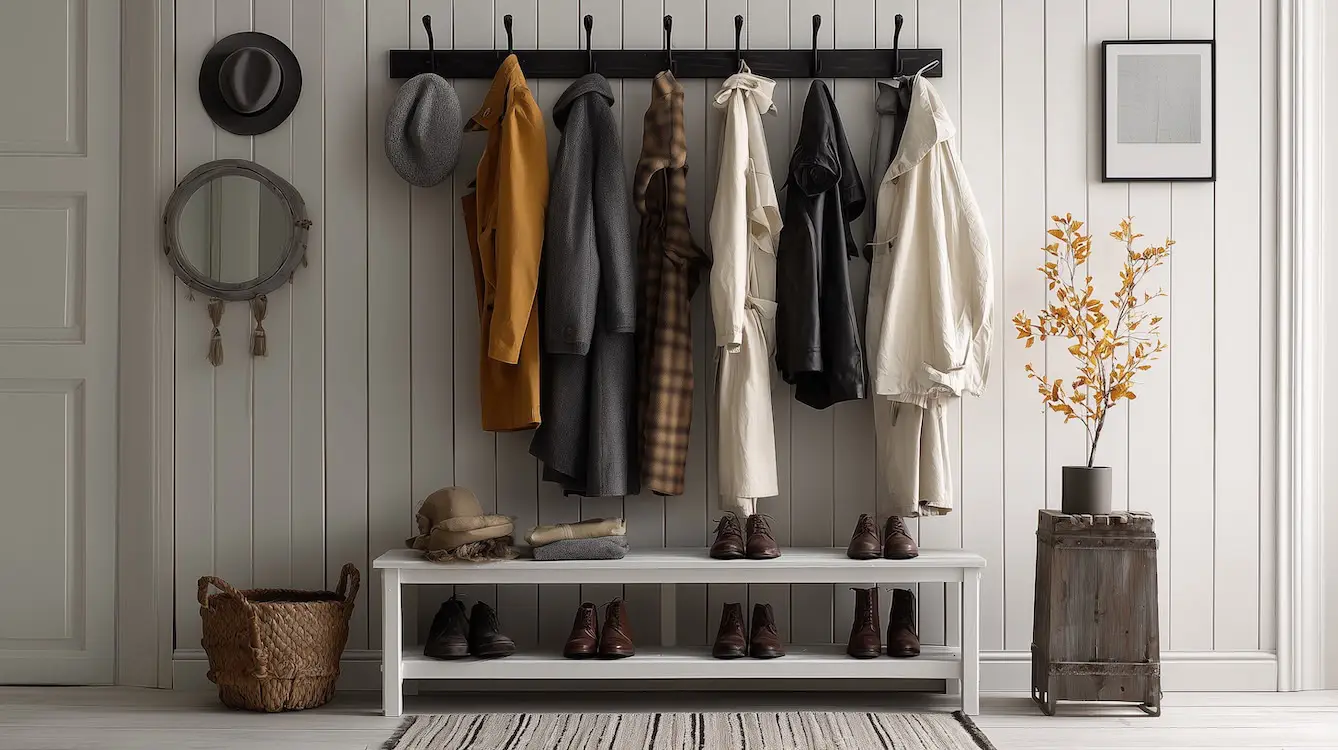
Transform your home without the overwhelm with this 14-day declutter challenge. It breaks down home organisation into bite-sized daily tasks that actually fit into real life. If you’ve ever felt put off by the idea of decluttering your entire home, this manageable approach to home organisation is for you: spend 15 to 30 minutes a day and commit to tackling one small space at a time. Let’s take a look at why it works and how.
Why Small Spaces Win the Declutter Game
If home organisation approaches that advise tackling a whole room at once haven’t worked for you, perhaps taking one small space at a time is your answer. The small space method works because completing a drawer, shelf, or cabinet in one sitting gives you an immediate hit of accomplishment. That dopamine reward keeps you motivated to show up tomorrow, and you can actually finish what you start instead of having half-done projects haunting you for weeks.
How the Decluttering Challenge Works
Every day for 14 days (or more if you have a big house), choose one small, defined space and declutter it completely. Think single kitchen drawer, nightstand or bathroom cabinet. Start by listing 14 small spaces in your home, then use the four-box method for each session: keep, donate, bin, and relocate. Set a timer for 15 to 30 minutes to stay focused and prevent distraction. When the timer goes off, deal with your boxes and celebrate the completion, even if it feels small.
Your 14-Day Home Organisation Roadmap
While you should customise this challenge to your home’s specific needs, here’s a suggested roadmap organised by room to keep you focused:
Hallway
Day 1: Coat stand and shoe area
Bathroom
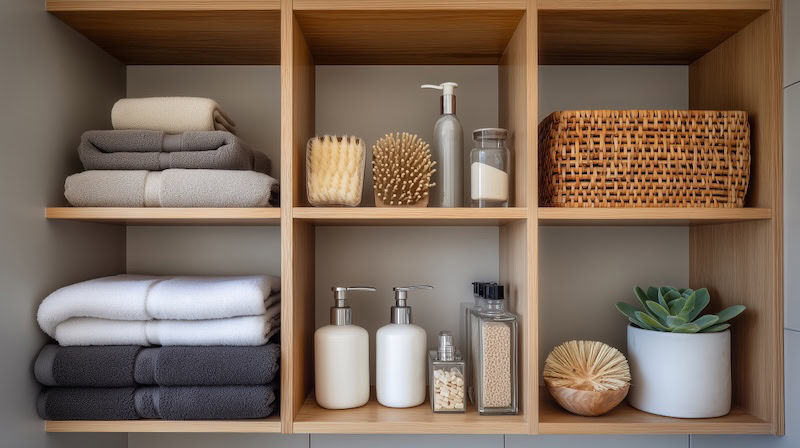
Day 2: Bathroom cabinet
Bedroom
Day 3: Nightstand drawer and surface
Day 4: Wardrobe hanging space
Day 5: Wardrobe shelves
Day 6: Drawers
Living Room
Day 7: Cupboards
Day 8: Coffee Table
Kitchen
Day 9: Saucepan cupboard
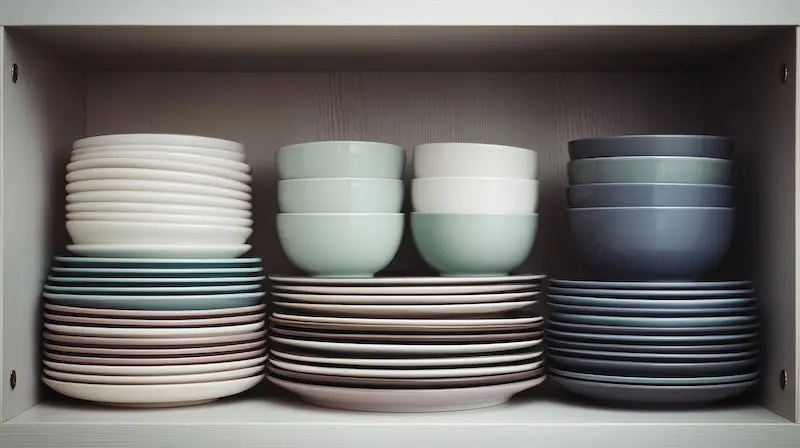
Day 10: Crockery cupboard
Day 11: Food cupboard
Day 12: Under sink
Day 13: Drawers
Day 14: Surfaces
Making the Decluttering Stick Beyond 14 Days
The real magic of this challenge isn’t just the decluttered spaces; it’s the habit you’re building. After 14 days of showing up daily to manage your belongings, you’ll have created a new relationship with your stuff. You’ll start noticing clutter before it accumulates.
To maintain your progress, consider implementing a “one in, one out” rule for specific categories. When you buy a new shirt, donate an old one. When you acquire a new book, pass along one you’ve already read. This simple practice prevents the slow creep of re-cluttering.
Try to fit decluttering into your daily life, for instance, if you’re waiting for your food to cook, maybe you could clean out your cutlery drawer.
Final Notes on Decluttering
The 14-day challenge isn’t about achieving minimalist perfection or conforming to someone else’s idea of how your home should look. It’s about creating space, physical and mental, for what matters to you. Decluttering is deeply personal, and the goal isn’t to own a specific number of things or make your home look like a magazine spread; it’s to curate your belongings so that everything serves a purpose or brings genuine joy. Be especially gentle with yourself around sentimental items and remember that if you’re not ready to part with something, you can always revisit it later. Sometimes we need time to process our attachments before we can release them, and that’s perfectly okay.
Frequently Asked Questions About Decluttering
What if I miss a day in the 14-day decluttering challenge?
Life happens, so don’t let one missed day derail your entire challenge. Simply pick up where you left off the next day or extend your challenge to 16 or 18 days to accommodate the gaps. The point is progress, not perfection.
What do I do with all the items I’m getting rid of?
Create a staging area in your home to collect donation items over the 14 days, then schedule a charity shop drop-off for day 15. Bin the actual rubbish immediately so it doesn’t pile up.
Can I do this challenge with a partner or family?
Absolutely. You might each tackle your own spaces or work together on shared spaces. Just don’t declutter someone else’s belongings without their permission, as this creates resentment rather than clarity.
What if I live in a small space and can’t find 14 spaces to declutter?
Go deeper into the spaces you have. Do your sock drawer one day and your underwear drawer the next. Tackle digital spaces like your phone contacts, subscription services, or email folders. You might also repeat high-traffic areas mid-challenge if they’ve already accumulated new clutter.
How do I prevent myself from re-cluttering after the challenge ends?
Practise mindful acquisition by asking yourself before buying: Do I have space for this? Will I actually use it? Try the 24-hour rule for non-essential purchases. Most importantly, recognise that decluttering isn’t a one-time event but an ongoing practice of curating your environment.
We like these articles: Keep clutter at bay in 2025 with this year-long easy decluttering schedule, recommended by professional organisers and the New York Times; and 3 easy ways to declutter before the holiday. You might enjoy reading this feature: Which home organisation suits you best?