
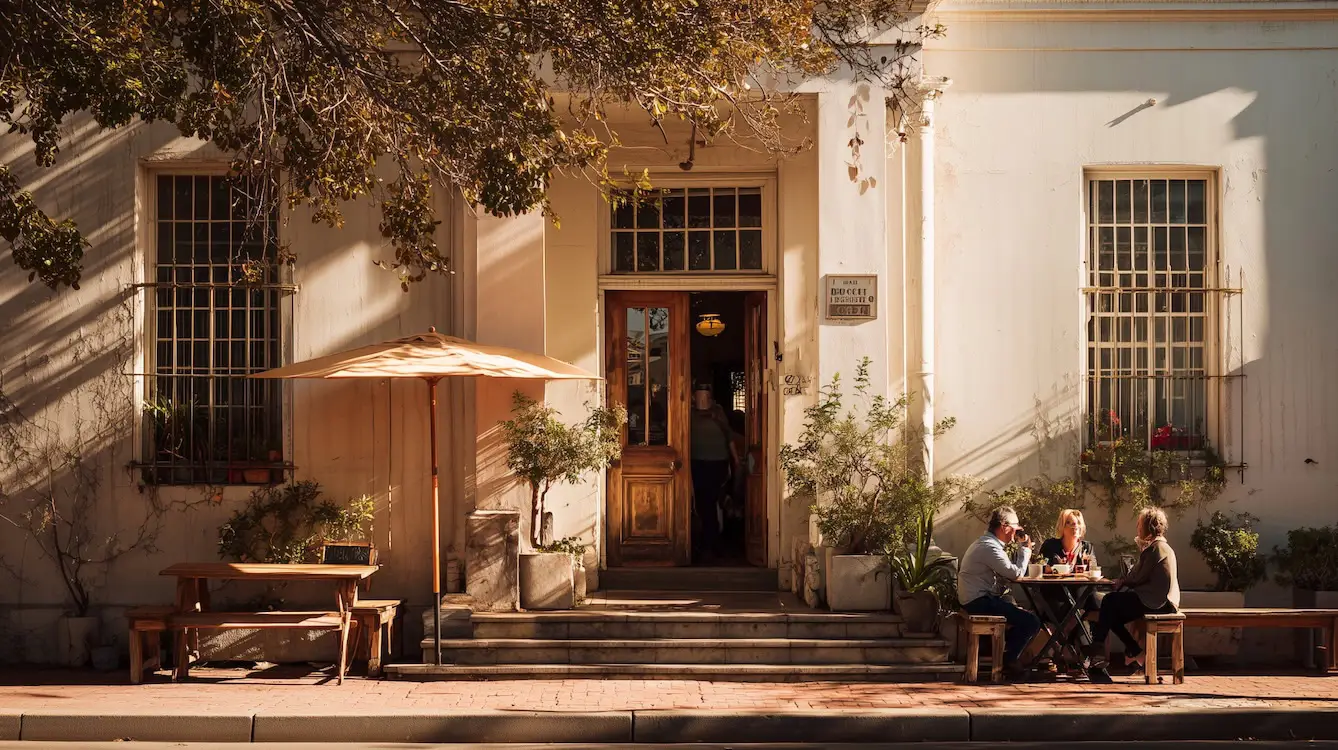
Slow travel is a way of exploring the world that prioritises depth, connection and intention over speed and accumulation. Closely linked to sustainable travel, mindful travel and responsible tourism, it encourages us to spend longer in fewer places, engage with local life and move through destinations at a more human pace. Rather than rushing between highlights, slow travel focuses on local experiences, cultural immersion and everyday moments that reveal how a place truly lives and breathes.

What Is Slow Travel?
Slow travel is about choosing quality over quantity. It invites travellers to stay longer, notice more and participate in daily life rather than simply passing through. This might mean returning to the same café each morning, shopping at local markets or learning how locals spend their time outside tourist hours. Slow travel is not about inactivity; it’s about intentional movement and conscious choice. Rather than forcing experiences into a schedule, you’ll let them unfold naturally.
Where Does The Term Slow Travel Come From?
The concept of slow travel emerged from the broader Slow Movement, which began in Italy in the 1980s with the Slow Food Movement. Founded by Carlo Petrini, Slow Food championed local produce, traditional practices and the pleasure of taking time. As awareness of environmental impact, overtourism and travel burnout grew, these ideas naturally extended into tourism. By the late 1990s and early 2000s, slow travel had emerged as a philosophy rather than a single coined term, shaped by writers, travellers and communities seeking a more meaningful way to see the world.
Ten Ways To Practice Slow Travel
1. Stay in a neighbourhood rather than the city centre: Residential neighbourhoods offer a more authentic sense of how people live. You are more likely to hear everyday sounds, see daily routines and notice small details. Neighbourhoods often feel calmer and less performative than tourist centres. They also encourage repeat visits to the same places, building familiarity and comfort.
2. Linger longer in fewer places: Spending more time in one destination allows the initial novelty to settle into understanding. You begin to recognise streets, faces and rhythms. This deeper familiarity often leads to more spontaneous interactions and discoveries. It also removes the pressure of constant movement and decision-making.
3. Lodge with a family if possible: Homestays and locally run guesthouses create space for genuine cultural exchange. Sharing meals, conversations and daily routines offers insight no guidebook can provide. Staying with a family can turn a destination into a lived experience rather than a backdrop, often leaving a lasting emotional connection.
4. Walk or use public transport: Moving slowly through a place helps you notice architecture, smells, sounds and social interactions. Walking and public transport connect you to the physical scale of a destination. They also reduce environmental impact and remove the barrier created by cars. Travel becomes part of the experience rather than a transition.
5. Create a gentle routine: Finding a favourite café, walking the same route or visiting the same shop fosters a sense of belonging. Routine helps you feel grounded rather than constantly reorienting yourself. It allows relationships to form naturally over time. Familiarity often leads to deeper observation.
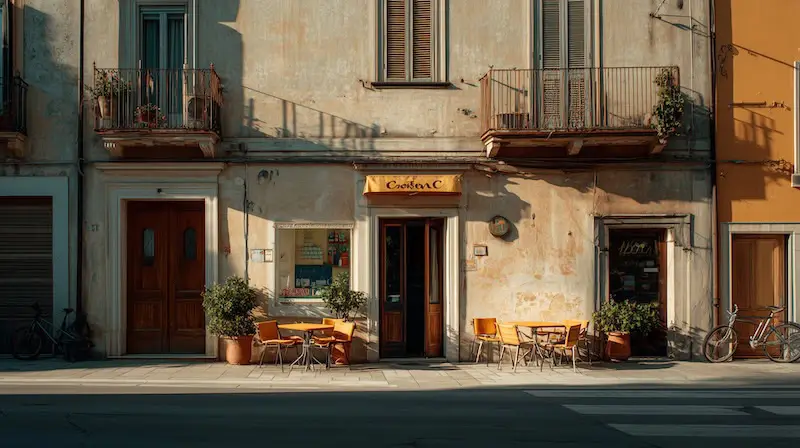
6. Eat in neighbourhood restaurants: Local cafés and small restaurants reflect regional flavours and traditions more authentically than tourist-focused venues. Eating where locals eat supports the local economy and food culture. You are more likely to encounter seasonal dishes and everyday meals. Food becomes a way of understanding place, not just a matter of consumption.
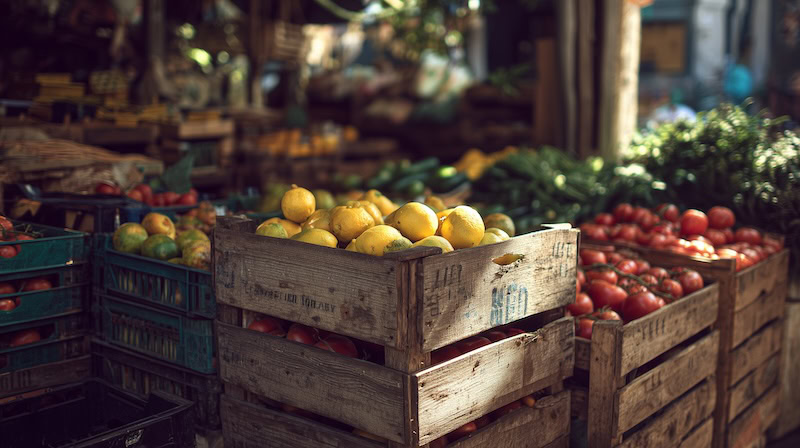
7. Shop at local markets: Markets reveal how a place eats, shops and socialises. They reflect seasonality, regional produce and local preferences. Visiting markets regularly helps you notice changes and patterns. It also encourages interaction and supports small-scale producers.
8. Learn a few words of the local language: Even basic phrases can change how you are received. Language shows respect and curiosity, often leading to warmer interactions. It can open doors to brief conversations and shared moments. These exchanges usually become highlights of slow travel.
9. Travel outside peak seasons: Off-peak travel reduces pressure on destinations and communities. It often brings quieter streets, greater availability and a slower pace overall. Locals may have more time and space to engage. The experience frequently feels more authentic and less transactional.
10. Leave space for spontaneity: Not every day needs a plan or purpose. Allowing unstructured time creates room for unexpected encounters and discoveries. Some of the most memorable moments in slow travel come from wandering, observing and following curiosity. Slowness allows these moments to surface.
What Are The Benefits Of Slow Travel?
Slow travel offers both personal and collective benefits. Travellers often feel more relaxed, present and connected to the places they visit. Experiences feel richer and memories more enduring. From a sustainability perspective, slow travel supports responsible tourism by lowering environmental impact, spreading economic benefits locally and respecting community rhythms. It can also be more cost-effective, with longer stays, local food and fewer transport expenses.
Final Notes On Slow Travel
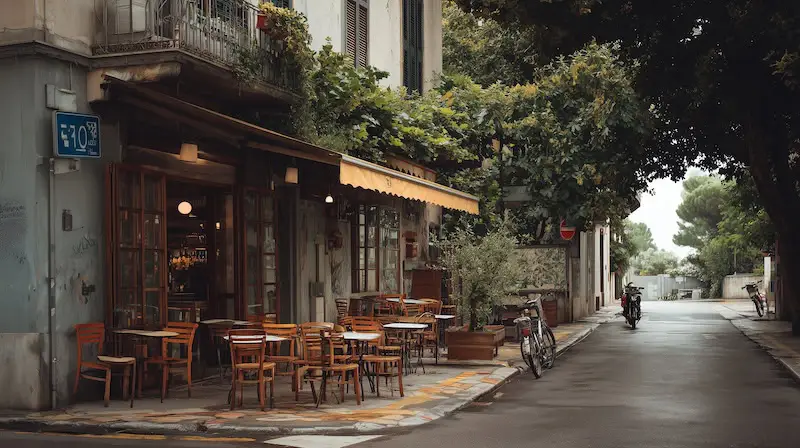
Slow travel is not a rulebook or a checklist. It’s a mindset rooted in curiosity, patience and respect. It asks us to reconsider what we want from travel and how we want to feel when we arrive somewhere new. By slowing down, we create space for understanding, connection and moments that cannot be scheduled. Slow travel reminds us that meaningful experiences often emerge when we stop trying to maximise every minute and instead allow time to unfold naturally. It’s less about seeing everything and more about truly being somewhere.
Frequently Asked Questions About Slow Travel
What does slow travel mean?
Slow travel means spending more time in fewer places, engaging with local culture and prioritising meaningful experiences over fast-paced sightseeing. It focuses on how travel feels rather than how much is accomplished. Slow travel encourages travellers to move at a pace that allows for reflection, connection and presence.
How is slow travel different from sustainable travel?
Slow travel and sustainable travel are closely connected yet distinct. Sustainable travel focuses on reducing environmental and social impacts, such as lowering emissions and supporting local economies. Slow travel emphasises pace, mindset and depth of experience. In practice, slow travel often leads to more sustainable choices.
Is slow travel more affordable?
Slow travel can often be more affordable than fast-paced travel. Longer stays usually reduce nightly accommodation costs, while eating locally and using public transport lowers daily expenses. Fewer flights and transfers also reduce overall costs. Slow travel shifts spending from movement to experience.
Can slow travel work on a short trip?
Yes, slow travel is as much about mindset as time. Even a short trip can feel slow if you stay in one area, walk rather than rush and focus on local experiences. Choosing not to over schedule and allowing time for rest and observation can transform even a weekend away.
Is slow travel suitable for families?
Slow travel works particularly well for families. It offers routine, reduced stress and fewer transitions, which can be especially beneficial for children. Staying longer in one place allows families to settle in, learn together and experience a destination more deeply and comfortably.
We like these articles: Hilton: Slow travel, the growing desire to travel like a local, and Responsible Travel: Top 10 slow travel ideas. You might also like this feature: Micro getaways that feel like a week off.