

Eating out has become a major expense. With higher menu prices, automatic service charges, and the way restaurants now sell the whole “experience”, even a casual meal can feel like a splurge. When you’re paying more, it’s fair to expect the basics to be done properly. Hot food should be hot, tables should be clean, and service should feel attentive rather than rushed or indifferent.
A lot of people still hesitate to speak up because they worry it will sound like complaining. In reality, most restaurants would rather fix a problem while you are still there than have you leave frustrated. The key is timing, clarity and a friendly tone.
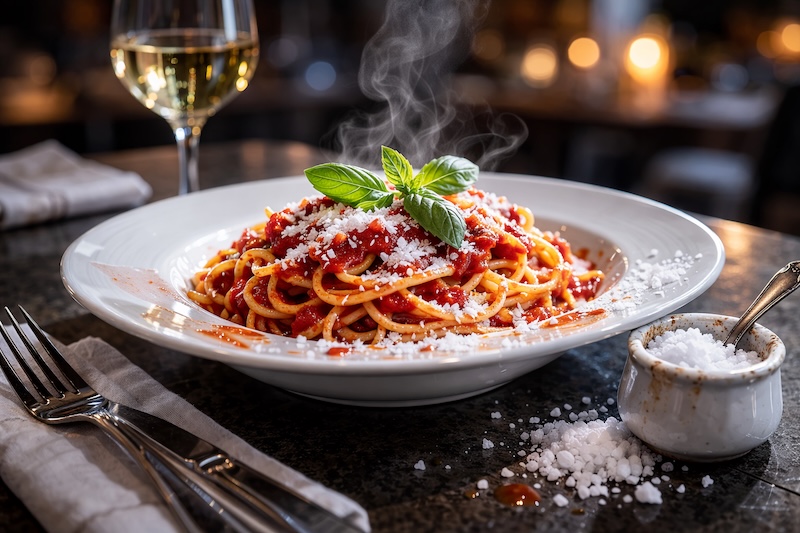
When To Complain In A Restaurant
Nearly every meal includes the moment when a server asks whether everything is okay. Often it’s said automatically, and they expect you to say yes without thinking. That check-in is actually your easiest opening to mention something without it feeling tense, because it’s already part of the service routine.
If your food is cold, too salty, or not as described, this is the moment to say so. Keep it simple and specific. If the person who asked seems unsure what to do, it’s perfectly normal to ask them to check with the kitchen or a manager. You’re not escalating for drama. You’re making sure the person who can solve it is involved.
What to Do If Restaurant Food Is Cold
Temperature is a basic restaurant standard. Hot dishes should arrive hot, and warm sauces should not be served cold unless that is clearly stated. If your food arrives lukewarm, raise it straight away, because the longer you wait, the harder it is to fix quickly. For example, hollandaise sauce should be warm; if it’s cold, send it back.
Most restaurants will offer to remake or reheat the dish. If you send it back and it still arrives cold, you do not need to keep trying. At that point, it’s reasonable to decline the dish and ask to have it removed from the bill, as you have already given them the chance to correct it.
How To Handle Inedible Restaurant Food
There’s a difference between a dish you would not order again and a dish you cannot eat. If food is extremely salty, burnt, or unpleasantly greasy to the point it is inedible, that is a quality issue, not a personal preference.
Say it clearly and early, ideally while the plate is still mostly untouched. Restaurants can argue with vague feedback, but they cannot easily ignore specific language like “I can’t eat this, it’s extremely salty.” Ask for a replacement or an alternative. If the second attempt is no better, it is reasonable to ask that the dish be removed from the bill.
Dealing With Dirty Restaurant Plates
Visible fingerprints on crockery are genuinely off-putting. They signal careless handling and can make you lose your appetite instantly. You don’t need to tolerate that or pretend it is fine.
Point it out calmly before you start eating and ask for a replacement plate or bowl. Keep your wording neutral so it does not sound accusatory. A well-run restaurant should apologise and replace it without debate. If they brush it off, that tells you something about their standards.
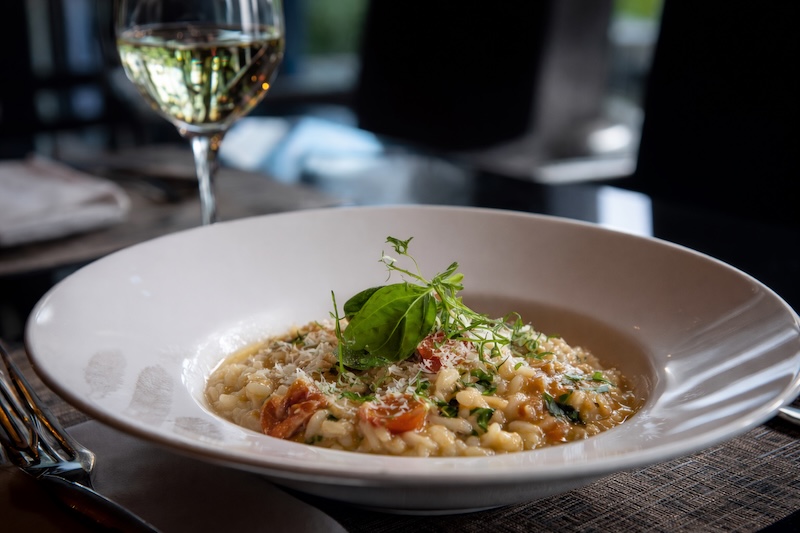
Restaurant Safety
Comfort and safety are part of hospitality. A wobbly chair is not a minor detail if it makes you feel unstable, nor is it minor if it causes an injury, such as a crushed finger. Ask to swap chairs immediately. If you have been hurt, say so clearly. You should ask the restaurant to make a note in their accident book and take a picture of the broken furniture. If you experience pain later, you can contact the restaurant about your injury.
Wobbly tables are also common in restaurants, which can cause split drinks and just general frustration when you’re eating. Notify your server and ask if they can rectify the table before your drinks and meal arrive.
Restaurant Service Problems
There’s a difference between slow service and being ignored. Restaurants get busy, kitchens back up, and delays occur. What matters is whether staff communicate and respond when you try to get their attention.
If you’re repeatedly ignored, it can be easier to stand briefly and speak to someone rather than remain silent. Calmly asking for help at your table often resets the dynamic. If inattentive service continues throughout the meal, it becomes relevant when the bill arrives, especially if a service charge has been added automatically.
Service charges are often described as discretionary, which means optional. They are meant to reward good service, not to be paid automatically, regardless of what happens.
If you have had unresolved issues, repeated mistakes, dismissive responses, or have been ignored throughout the meal, it is reasonable to ask for the discretionary service charge to be removed. Keep it short and calm at payment. You do not need a long explanation; just one or two clear reasons.

Honest Restaurant Reviews After A Bad Meal
Reviews matter, especially now that people are trying to avoid wasting money on disappointing meals. If your problems were not resolved, a factual review is fair. The most useful reviews explain what went wrong and how the restaurant responded when you raised it. That is often the difference between an off day and a deeper standards issue.
If the restaurant fixed everything quickly and handled it well, you might decide private feedback is enough. If they did not, an honest review helps other diners decide where to spend their money.
Final Notes About Making Complaints In Restaurants
Speaking up does not have to feel confrontational. The most effective approach is quick, calm and specific, raised at the first opportunity rather than at the end, when everyone is tired. When staff ask if everything is okay, treat it as an invitation to be honest, as it gives the restaurant the chance to fix things while you can still enjoy the meal.
If something is clearly wrong twice, such as food returning cold, you may stop the cycle. A simple decline and a request to remove the dish from the bill are often the cleanest solution. Hygiene issues like fingerprints on crockery are not “fussy” concerns either. If something puts you off eating, it matters, and it is reasonable to request a replacement.
Finally, remember that service charges are not automatic rewards. If the service and standards were poor and the restaurant did not handle issues well, asking to remove a discretionary service charge simply aligns the bill with the experience you actually received.
Frequently Asked Questions About Restaurant Complaints
Should you answer honestly when restaurant staff ask if everything is okay?
Yes. That check-in is the easiest moment to raise an issue because it is part of normal service, and the restaurant can still resolve it quickly.
What should you say if the restaurant food is too salty to eat?
Say it is extremely salty and you cannot eat it, then ask for a replacement or an alternative. Clear language gets faster results than vague hints.
What should you do if restaurant food comes back cold after you have sent it back?
Decline the dish and ask for it to be removed from the bill. If the restaurant has already had a chance to correct it and did not, you do not need to keep trying.
How do you handle fingerprints on plates in a restaurant?
Point them out immediately and ask for a fresh plate or bowl. Visible fingerprints are a hygiene issue, and it is reasonable to request a replacement.
Can you remove a discretionary restaurant service charge?
Yes. If the bill states that the service charge is discretionary, you can ask for it to be removed, especially if the service was poor or issues were not handled properly.
Will complaining make restaurant staff treat you badly?
In reputable restaurants, polite complaints should not result in worse service. Calm, early communication usually gets the best response.
We like these articles: BBC Why complaining in a restaurant is better than venting online and Gentleman’s Journal: How to complain in a restaurant without causing a scene. You might also like this post: Ten food trends shaping how we eat in 2026.