
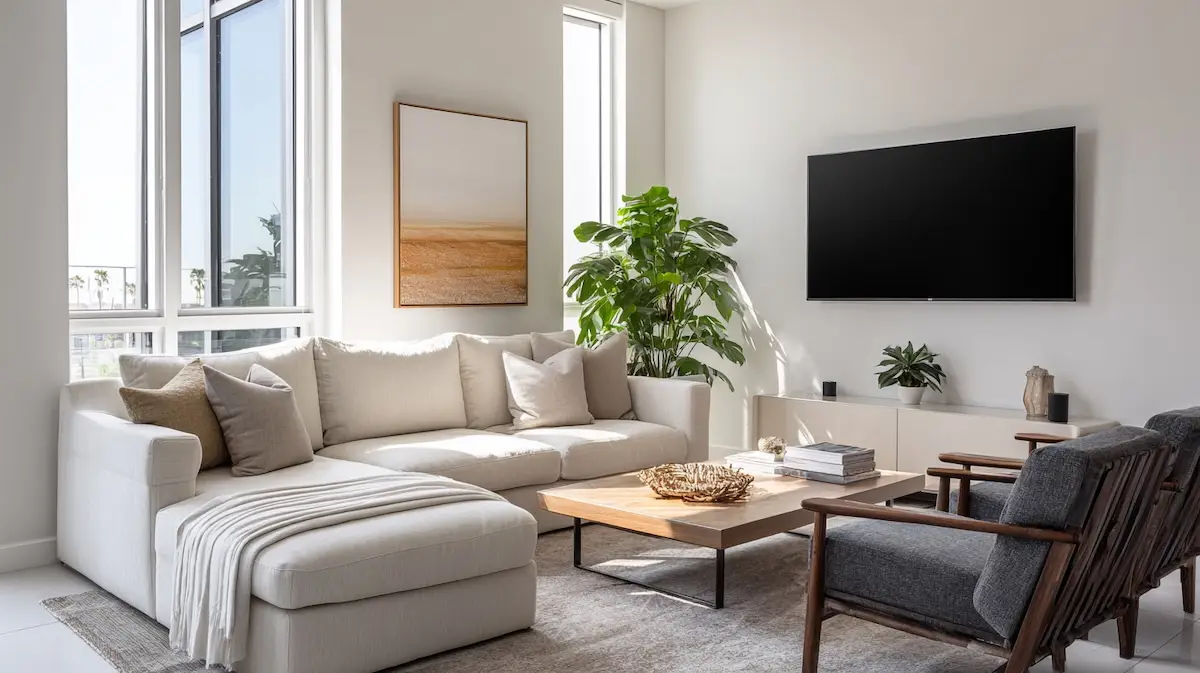
A smaller life is often mistaken for a restricted one. In reality, it’s about scale rather than subtraction. It’s a way of shaping a right-sized, lower-demand life within capacity, so it can be lived with care, consistency and presence. By choosing fewer commitments, possessions and expectations, a smaller life becomes a simpler, less crowded, less complicated way of living that creates space for clarity, energy and long-term wellbeing. It’s not about doing less for its own sake, but about building a well-chosen, more intentional life that makes room for what genuinely improves how life feels day to day.

Ten Considerations For A Smaller Life
1. Capacity matters more than potential: A smaller life respects human limits. It recognises that energy, attention and time are finite. Living within capacity reduces overwhelm and allows effort to be applied thoughtfully, leading to greater satisfaction and fewer trade-offs.
2. Reduced complexity lowers background stress: Much stress stems from accumulation. Fewer messages, choices and demands reduce constant low-level tension, allowing the nervous system to settle.
3. Fewer commitments improve follow-through: When obligations are reduced, consistency increases. Fewer commitments make it easier to show up fully, meet expectations and complete tasks with care rather than urgency. This builds confidence and trust over time.
4. Less scheduling creates a better rhythm: A smaller life leaves room for natural pacing. Days unfold with less pressure and more flow. Work, rest and social time can coexist without competing for attention.
5. Care improves when scale is manageable: Care requires time and consistency. A smaller life makes it easier to maintain spaces, routines and relationships. This leads to a quiet sense of competence and calm.
6. Smaller spaces encourage presence: Living in a space that suits daily needs reduces distractions and excess. Smaller spaces tend to feel more grounded and easier to maintain, supporting comfort and focus.

7. Smaller wardrobes simplify daily decisions: A refined wardrobe reduces mental friction. When clothing aligns with real-life needs, decisions become easier and faster. This frees attention for more meaningful choices later in the day.
8. Tighter social circles support deeper relationships: A smaller social network allows relationships to develop depth and continuity. Time together feels intentional rather than squeezed in. This strengthens connection and emotional stability.
9. A smaller life supports sustainable living: Consuming less and choosing better aligns personal wellbeing with environmental responsibility. A smaller life naturally encourages longevity, repair and the thoughtful use of resources.
10. Growth becomes more intentional: A smaller life creates space for meaningful growth rather than performative growth. Skills deepen, tastes refine, and progress feels steady. Growth becomes easier to sustain over time.
Final Notes On A Smaller Life
Choosing a smaller life is not about stepping back from life, but about stepping into it more fully. By living at a scale that allows care, attention and consistency, everyday experiences improve. The result is not a quieter life for its own sake, but one that feels more balanced, resilient and deeply lived.
Frequently Asked Questions About A Smaller Life
What is meant by a smaller life?
A smaller life is about living at a scale that matches personal capacity. It focuses on reducing excess commitments, possessions and expectations to improve clarity and wellbeing.
Is a smaller life the same as minimalism?
No. Minimalism focuses primarily on reducing physical possessions. A smaller life considers time, energy, relationships, routines, and possessions.
Can a smaller life still include ambition?
Yes. A smaller life supports focused ambition by protecting energy and attention, making progress more sustainable and less exhausting.
Does living smaller mean giving things up?
Living smaller is about making deliberate choices rather than giving things up. What remains is often more satisfying and easier to maintain.
How can someone start living a smaller life?
Begin by identifying one area that feels crowded or draining. Reducing the scale in just one part of life can quickly improve how days feel and guide further choices.
We like these articles: Zen Habits: Living the simple life, and Living Nordic Life: How to start embracing a simpler life. You may also enjoy reading this feature: The art of mind editing when you need some quiet.