
Want to know what you’ll be eating next year? These ten food trends shaping how we eat in 2026 show that it’s going to be less about extremes and more about balance. Across food media, industry forecasts and consumer behaviour, a clear picture emerges of how people want to eat now. Meals are expected to nourish, comfort and adapt to real life. Rather than rigid rules or novelty-driven diets, eating habits are shaped by wellbeing, flexibility and enjoyment.
Ten Food Trends For 2026
These ten food trends reflect how people are cooking, shopping and thinking about food in 2026. With so many food trends on the horizon, these were the most interesting to us.
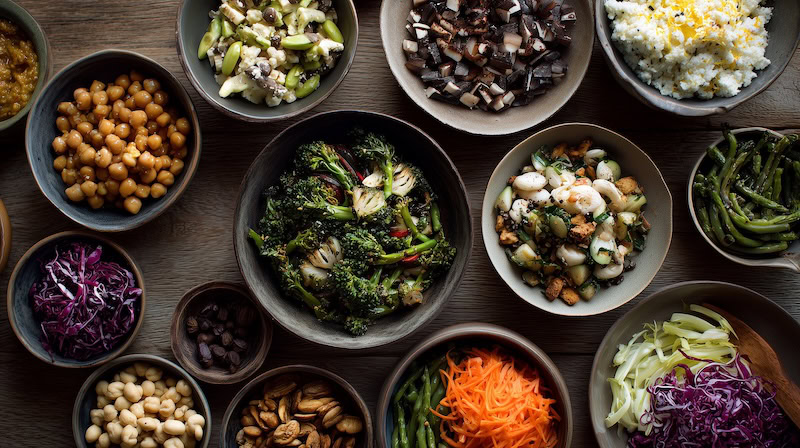
1. Fibremaxxing: High-fibre eating moves into the mainstream. Instead of being framed as a health obligation, fibre becomes something people actively seek out for gut health, blood sugar balance and long-term wellbeing. Vegetables, beans, pulses and whole grains take centre stage in everyday meals, often without changing the dishes themselves.
2. Cabbage is King: Cabbage stands out as a standout ingredient thanks to its affordability, versatility and nutritional value. Roasted, fermented, shredded or simmered, it represents a return to humble, nourishing produce that works across cuisines and seasons.
3. Functional Comfort Food: Comfort food is evolving to meet modern needs. Familiar dishes are being adapted to include more fibre, protein or fermented elements, allowing people to enjoy the emotional comfort of food while supporting health. This trend reflects a move away from restriction towards smarter indulgence.
4. Hybrid Protein Eating: Strict food labels fade as people adopt flexible protein habits. Meals combine smaller portions of animal protein with vegetables, grains and pulses, creating a balanced approach that supports nutrition, sustainability and satisfaction without extremes.
5. Snackification of Meals: Traditional meal structures loosen. Eating becomes more modular, with grazing plates, savoury snacks and smaller portions spread throughout the day. This shift reflects busy schedules, varied energy needs and a desire for more personalised eating rhythms.
6. Savoury Over Sweet: Taste preferences continue to shift away from excessive sweetness. Savoury, tangy and umami flavours dominate snacks, meals and even desserts. Reduced-sugar options and balanced flavour profiles feel more appealing and grown-up.
7. Food as Mood Support: People increasingly choose food based on how they want to feel. Energy, calm, focus and digestive comfort shape everyday choices. This trend links food to emotional wellbeing without turning meals into prescriptions.
8. Global Home Cooking: Home cooking becomes more globally curious and respectful. Instead of simplified fusion, people explore regional dishes, techniques and ingredients, learning from everyday cooking traditions around the world rather than from superficial trends.
9. High-Quality Convenience: Convenience food continues to evolve. Ready meals, frozen foods and pantry staples are expected to deliver flavour, nutrition and transparency. Convenience no longer means compromise, as quality becomes a baseline expectation.
10. Regenerative and Seasonal Thinking: Attention shifts from organic labels alone to how food is grown. Regenerative farming, seasonal eating and lower-impact ingredients influence shopping habits, menu choices and brand trust, reflecting a deeper understanding of food systems.
Final Notes About Food In 2026
Together, these trends point to a clear move towards calmer, more intuitive eating. Food in 2026 supports daily life rather than complicating it. The emphasis is on nourishment, flexibility and enjoyment, with fewer rules and greater trust in simple, well-made meals. Instead of chasing novelty, people are rediscovering what feels good to eat and what fits naturally into their routines.
Frequently Asked Questions About Food Trends In 2026
Are these trends based on diets or on lifestyle changes?
They are lifestyle-led rather than diet-driven. Most reflect how people naturally eat when flexibility and wellbeing are prioritised.
Do these trends require major changes to how we cook?
No. Many involve small adjustments, such as adding fibre-rich ingredients, rethinking portions, or choosing higher-quality convenience foods.
Is plant-based eating still relevant in 2026?
Yes, but in a more flexible way. Hybrid protein eating allows plant-based foods to play a central role without strict rules.
Are these trends expensive to follow?
Not necessarily. Ingredients such as cabbage, beans and seasonal vegetables are often affordable and accessible.
How do these trends affect home cooking?
They encourage simpler cooking, better ingredients and meals that support comfort and wellbeing.
Are these trends likely to last beyond 2026?
Many are long-term shifts rather than short-lived fads, making them likely to shape eating habits for years to come
We like these articles: Vogue: Food Trends 2026 and Square Meal: 2026 food trends what to expect in restaurants this year. You might also like this article: Healthy late night snacks you can enjoy without the guilt.